| | |  | | Wild Fish Runs The Wild Fish Conservancy Newsletter
September 2026 |
| As we head into fall, we're reflecting on another remarkable fish trap season, spanning the lower Columbia River in southwest Washington to the Skeena in northern British Columbia. This year, Wild Fish Conservancy staff were on site at fish traps across the region supporting First Nations and commercial fishing partners, and we're proud to share updates with you on this year's accomplishments—and to invite you to be part of what comes next. In this month's Wild Fish Runs, we also share ways you can help amplify the coastwide call to Let Our Salmon Come Home with in-person and virtual opportunities to raise your voice. We hope you'll stand with us. |
| | |
|
| Field Notes: Updates on Our Current Projects Discover how Wild Fish Conservancy staff are working in the field to safeguard wild fish and their habitats. Here’s a look at just some of the projects we’re focused on right now. |
|
|
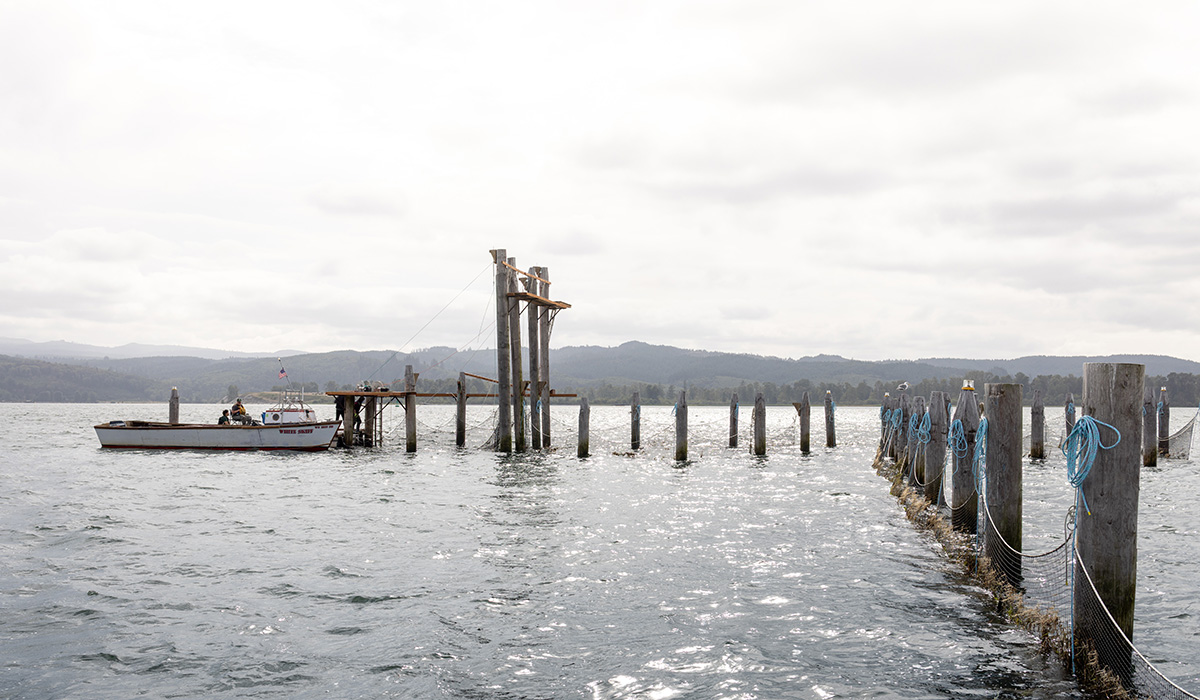
|  | The Hunting Islands fish trap in Cathlamet, Washington. Photo courtesy of Wild Fish Conservancy. |
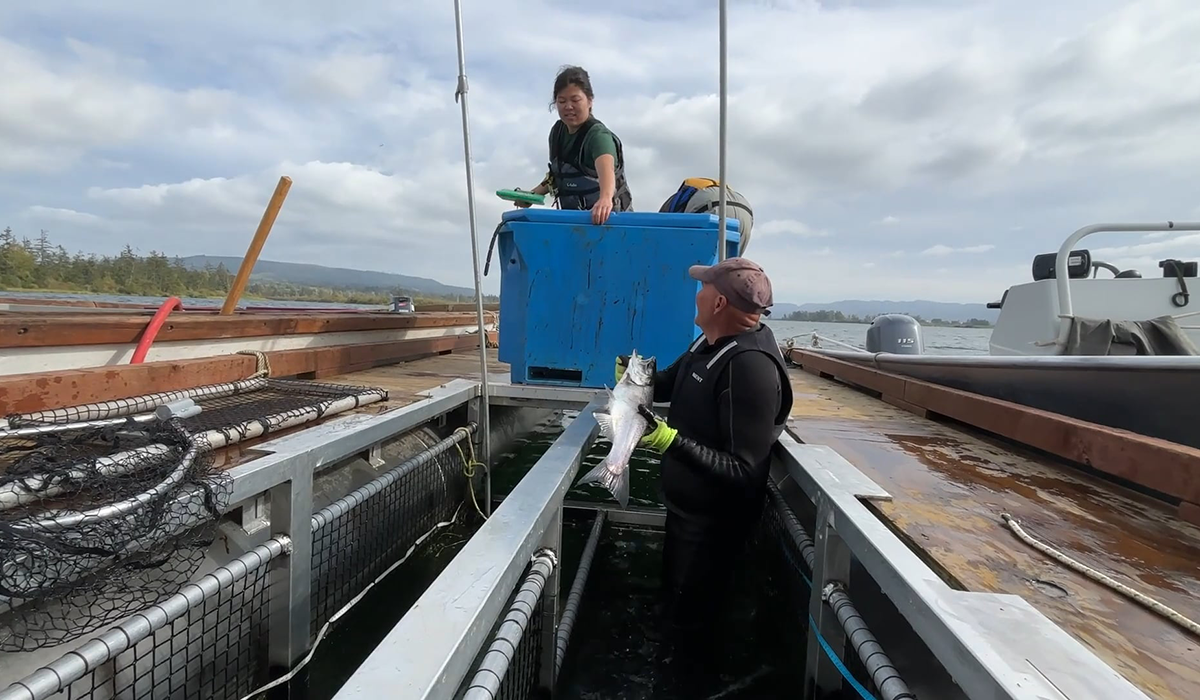
| A New Era for Selective Fishing on the Columbia River Built on more than a decade of groundbreaking research led by Wild Fish Conservancy, the lower Columbia River Emerging Commercial Fishery, now operating in its second year, represents a new era for sustainable, selective fishing—and this year, our team returned to support local fishers through another momentous season. Wild Fish Conservancy's published research has demonstrated that fish traps can selectively harvest abundant hatchery-origin stocks while releasing threatened wild salmon and steelhead with survival rates near 100 percent, providing a sustainable path forward for commercial fishing on the Columbia and beyond. This season, local fishers operating traps as part of the emerging commercial fish trap fishery have harvested thousands of hatchery salmon to date—all while releasing 100 percent of wild salmon and steelhead that would otherwise face mortality in the conventional commercial fishery. Read the full update on our website—and watch this short video to see the trap in action. |
| |  |
|
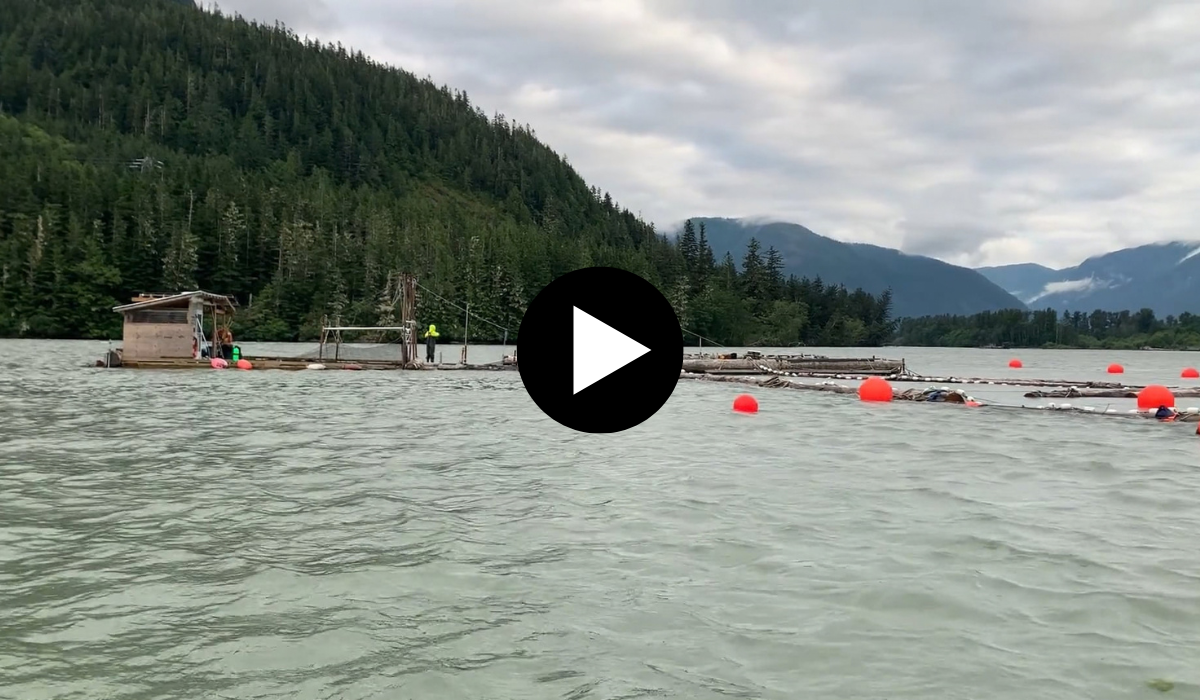
| The floating fish trap on the Skeena River in northern British Columbia. Photo courtesy of Wild Fish Conservancy. |
| WATCH: A Breakthrough Season for the Skeena River Floating Fish Trap Project This summer, the Lax Kw'alaams Band, in collaboration with Wild Fish Conservancy, advanced a first-of-its-kind floating fish trap on British Columbia's Skeena River—building on a promising 2025 pilot study and implementing innovative modifications that exceeded even the team's own expectations. The floating fish trap is a river-based fishing technology that passively corrals free-swimming salmon for live-capture, selective harvest, or low-impact release. By operating in-river, the trap encounters fish solely from the Skeena River, eliminating the potential to encounter threatened salmon and steelhead bycatch from other watersheds. Over the summer of 2026, the trap was operated in a research capacity to demonstrate the viability of contemporary floating fish trap technology for low-impact fisheries monitoring, efficient selective harvesting of robust stocks, and safe release of bycatch. Across the peak of the salmon return, the trap effectively corralled thousands of fish daily for capture and live-release. We invite you to watch this short video of the trap in action during August 2026. |
| | | Invest in the Future of Sustainable Fisheries More than a decade of research and collaboration between Wild Fish Conservancy, local fishers, and coastal communities has brought us to a new era for selective fishing. None of it would be possible without the enduring commitment of people like you—and your support today is essential to what comes next. To keep this historic work moving forward and build on the momentum that brought us here, we invite you to make a gift today. |
| | | Interested in the history of fish traps on the Pacific Coast? The Alaska Packers Association Museum in Blaine, Washington—housed in an original cannery building—is home to two historic fish trap models: a floating fish trap built for the 1915 World's Fair in San Francisco, and a piling trap built by the captain of a cannery tender in the 1930s. The museum also features antique machinery, historic photos, and an original 29-foot Bristol Bay sailboat. Learn more and plan your visit. ► |
| |
|
| Wild Fish Conservancy News and Updates Learn about Wild Fish Conservancy's recent legal victories, policy advancements, and advocacy efforts—plus ways you can take action for wild fish, and other important news and information from our organization. |
| 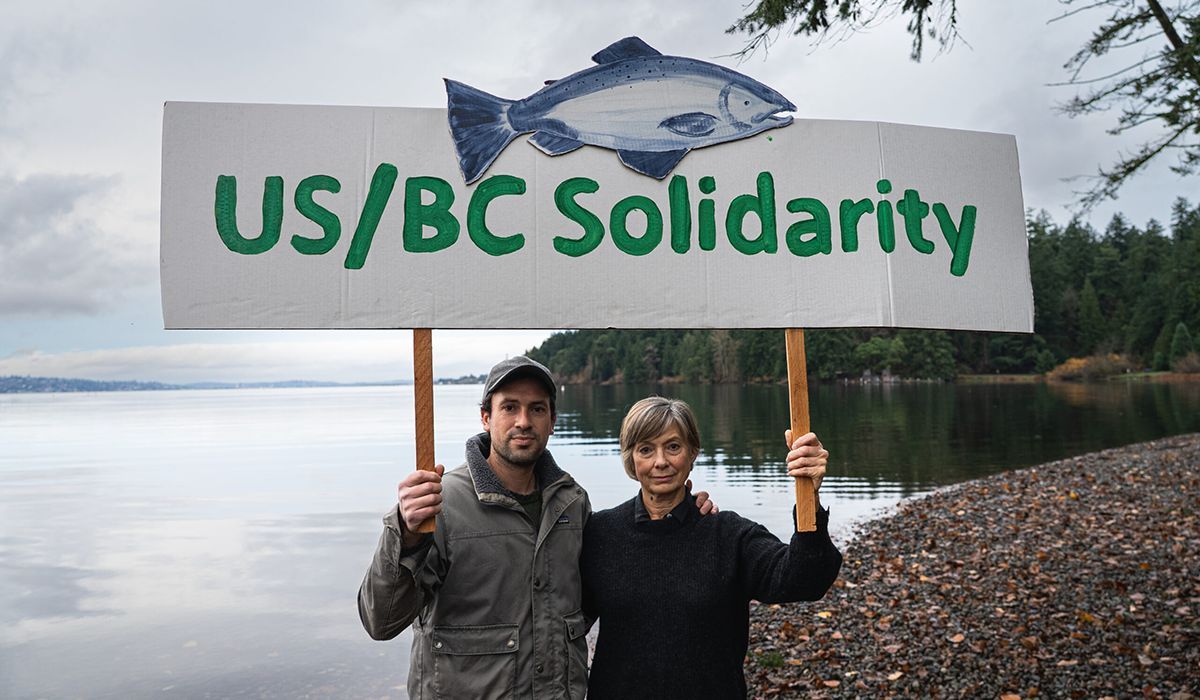 | Save the Date: Stand Up for Our Salmon in Sequim on October 22 Join the Let Our Salmon Come Home campaign in Sequim, Washington, on Thursday, October 22, as we rally during the Pacific Salmon Commission's 2026 Fall Meeting. Expect a day full of camaraderie and voices for change, with a media conference, music, food, and opportunities to call on decision-makers to reform unsustainable ocean fisheries and Let Our Salmon Come Home to the watersheds, communities, and ecosystems that depend on them. Stay tuned for our official invite on October 1, and learn more on the Let Our Salmon Come Home website now. |
| |
|
| |
|
| Act Now: Submit Comments to the North Pacific Fishery Management Council | The North Pacific Fishery Management Council meets for its 280th Session in Anchorage, Alaska, on October 8–13, 2026, and the decisions made there will shape the future of our salmon, Southern Resident killer whales, and coastal communities. Now's your chance to raise your voice—written comments are due October 2 at 1:00 PM PDT. Submitting comments takes just a few minutes and makes a real difference for our salmon and the communities and ecosystems that depend on them. We know these public processes aren’t always intuitive or easy to navigate, so we’re doing everything we can to make participating as simple and accessible as possible. Visit the Let Our Salmon Come Home website for sample comments you can submit as written or customize, plus step-by-step instructions for using the council's E-Portal. |
| | 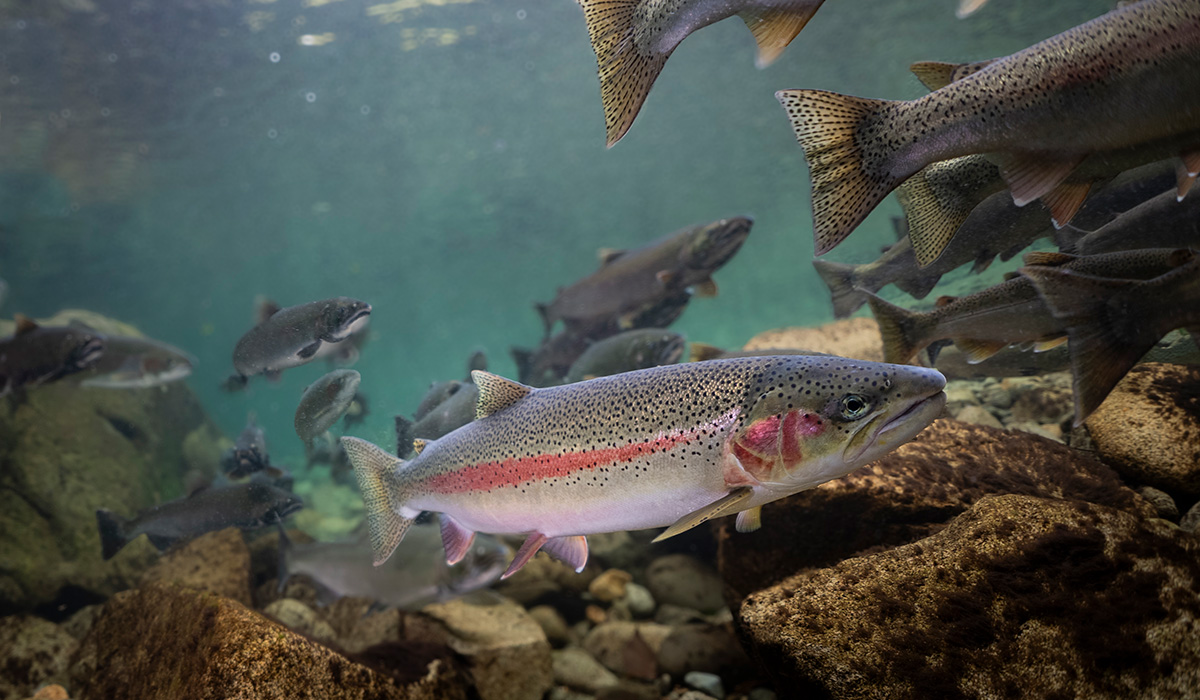 | Protect Steelhead: Require Counting and Reporting of Steelhead Bycatch in Pacific Salmon Treaty Fisheries The Pacific Salmon Treaty, an international fishing agreement between the United States and Canada, governs commercial fisheries across the Pacific Coast—but when it comes to steelhead, it offers a single, 16-word sentence directing the two countries to “take into account the conservation of steelhead,” with no requirement to report how many are caught and killed. Without that data, there is no way to determine whether fisheries are meeting their conservation goals or meaningfully protecting populations at risk. The United States and Canada are renegotiating the Pacific Salmon Treaty now, with talks expected to wrap up in late 2027. This is the best opportunity in a decade to require that every steelhead caught in Treaty-governed fisheries be counted and reported. We invite you to read "16 Words," a newly published article by our friends at the Wild Steelhead Coalition, to understand what's at stake, then add your name to the sign-on letter asking United States negotiators to make steelhead accountability a requirement of the renegotiated Treaty. |
| | | Do You Have a Legal or Policy Concern? We often hear from citizens worried that environmental laws aren’t being followed. When that happens, we work with legal teams to evaluate whether action needs to be taken and, if warranted, use the court system to enforce laws like the Clean Water Act, Endangered Species Act, and other laws designed to protect wild fish. You can share your legal or policy concerns with us through our online form. |
|
|
| | Featured fish trap photo by Aaron Jorgenson Wild Fish Conservancy
PO Box 402 | Duvall, Washington 98019
425.788.1167 | [email protected] |
| | |
|
| |
|
|