| | Wild Fish Runs The Wild Fish Conservancy Newsletter
September 2025 |
| Welcome to the revived Wild Fish Runs newsletter, providing a monthly digest of our current projects in the field, important advocacy and policy developments, and other news and updates from Wild Fish Conservancy. As a passionate, impact-driven organization, we sometimes get so focused on the work we're doing that we forget to share the amazing results you make possible. With the addition of our brand-new director of outreach and communications, we're taking action to change that—keeping you informed about key issues, highlighting actions you can take, and celebrating the difference you're helping make for the Northwest's wild fish and their ecosystems. With the return of the Wild Fish Runs newsletter, we look forward to sharing regular updates with you about our work in the field, the science behind wild fish conservation, and the policy efforts that support thriving ecosystems. Thank you for being a part of our journey and for your continued support of our mission. |
| | |
|
| Field Notes: Updates on Our Current Projects Discover how Wild Fish Conservancy staff are working in the field to safeguard wild fish and their habitats. Here’s a look at just a few of the projects we’re focused on right now. |
|
|
| | 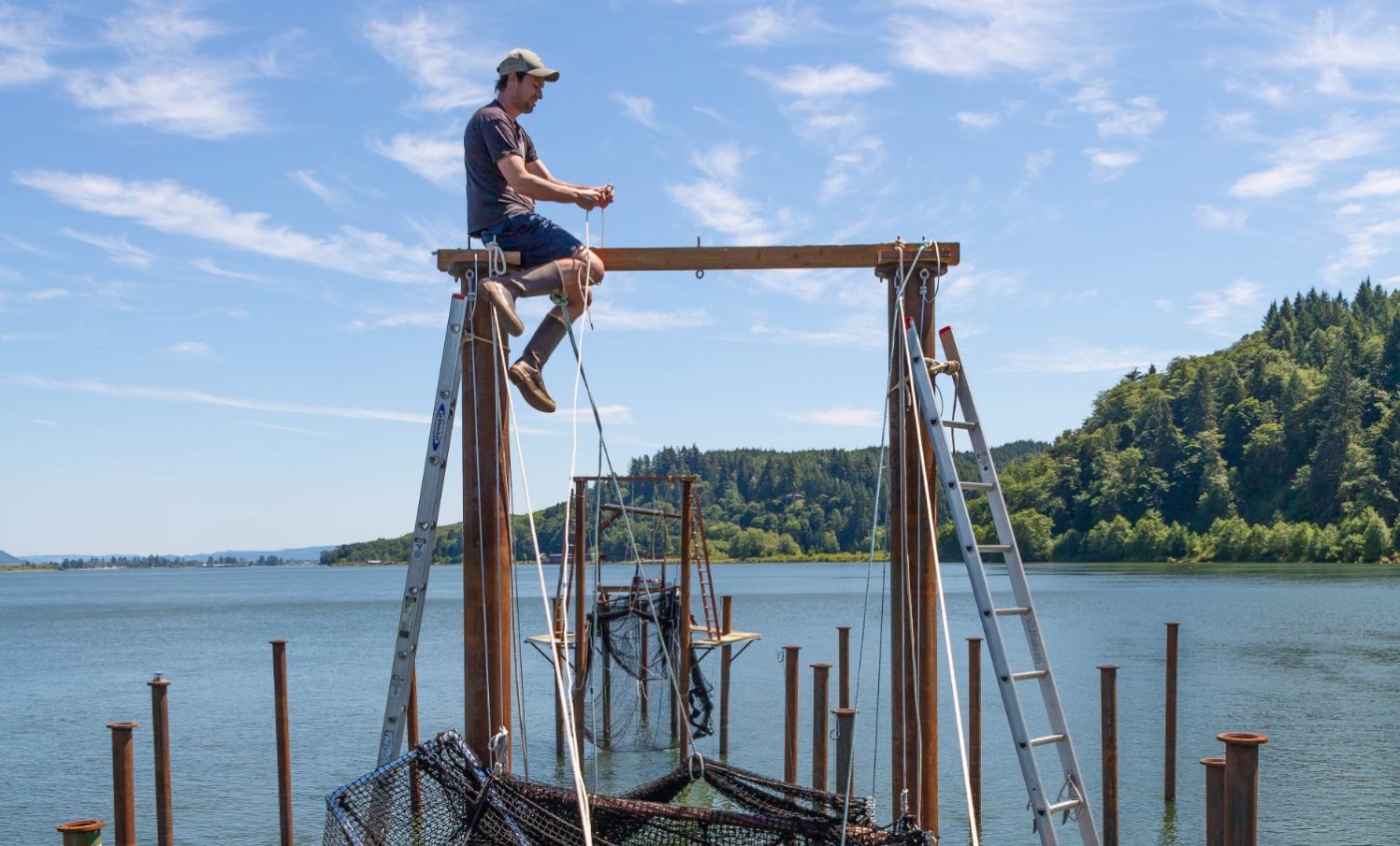 | Wild Fish Conservancy biologist Adrian Tuohy constructing a fish trap on the lower Columbia River. |
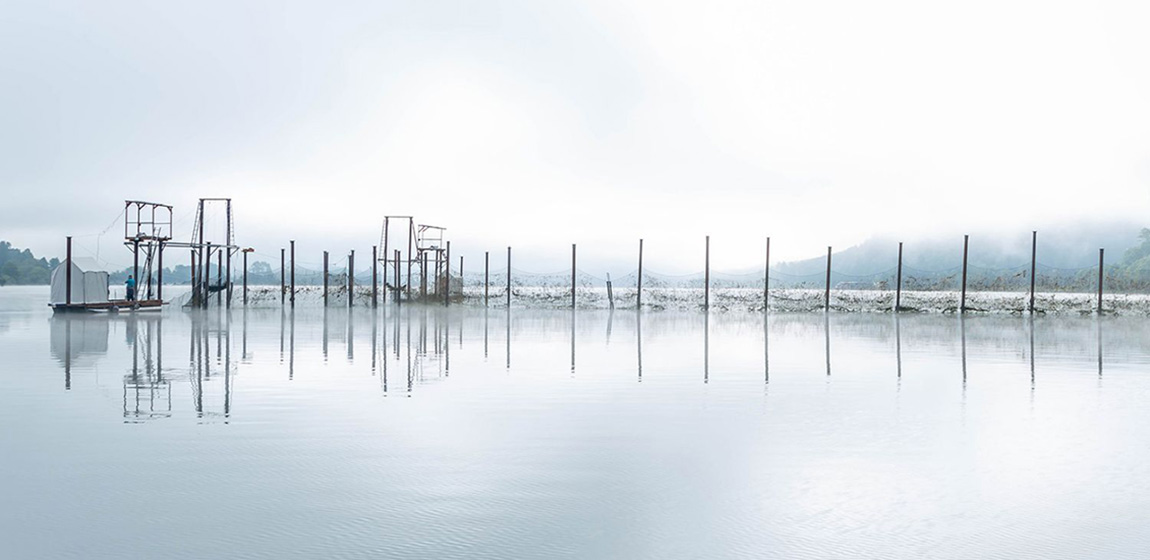
| Columbia River Fish Trap Fishery Returns After Nearly a Century History was made this month on the lower Columbia River when Wild Fish Conservancy, in partnership with local commercial fishers, implemented Washington State’s first fish trap fishery since 1935. For nearly thirty years, Washington and Oregon have had policies that have directed the state fish and wildlife departments to develop and implement selective, alternative commercial fishing methods capable of reducing unintentional harm to at-risk wild salmon and steelhead encountered in Columbia River fisheries. Now, in this historic moment, alternative gear types are finally operating as part of Washington's Emerging Commercial Fishery that is legalizing fish traps at localized scale, providing fishers the choice for the first time in a century to operate an alternative to commercial gillnets that cause substantial mortality to wild fish. More than a decade of WFC research, led by staff biologists Adrian Tuohy and Aaron Jorgenson, paved the way for this milestone, showing that fishers can selectively and passively harvest targeted populations, such as the Columbia River's hatchery-origin salmon, while safely releasing at-risk wild salmon and steelhead unharmed to continue their migration to spawning grounds. Through three peer-reviewed publications between 2016 and 2022, our research demonstrated salmonids released from fish traps survived with nearly 100% survival rates over 400 kilometers (~250 miles) migration to McNary Dam. Commercial fishers at three sites on the lower Columbia are using contemporary fish trap technology to harvest hatchery fish produced for harvest while releasing 100% of wild salmon and steelhead to aid in their recovery. Research conducted during the fishery will help inform the broader adoption of selective fish traps, advancing the transition away from conventional, non-selective fishing methods. By reducing bycatch mortality, protecting threatened wild fish, and helping rebuild the abundance and diversity of prey for endangered Southern Resident killer whales, this in-river selective fishery provides a sustainable path forward for wild fish recovery and coastal fishing communities. It also offers a powerful model for sustainability with the potential to serve as a blueprint for fisheries across the West Coast. To keep this historic fishery and coastwide transition moving forward, build on this incredible momentum, and ensure this critical work continues, we are launching a campaign to raise $25,000 before the end of the month. Since 2016, our members and supporters like you have funded this project and supported our research—and we need your help now more than ever. With your support today, we can continue guiding fishers on the river this season and beyond, demonstrate a coastwide model for sustainable fishing and wild fish recovery, and protect wild salmon and steelhead for generations to come. Make a gift today to support the future of sustainable fisheries, and stay up-to-date on this emerging, history-making fishery on our website. Curious how a fish trap works? Watch this short video. |
| |
|
| | 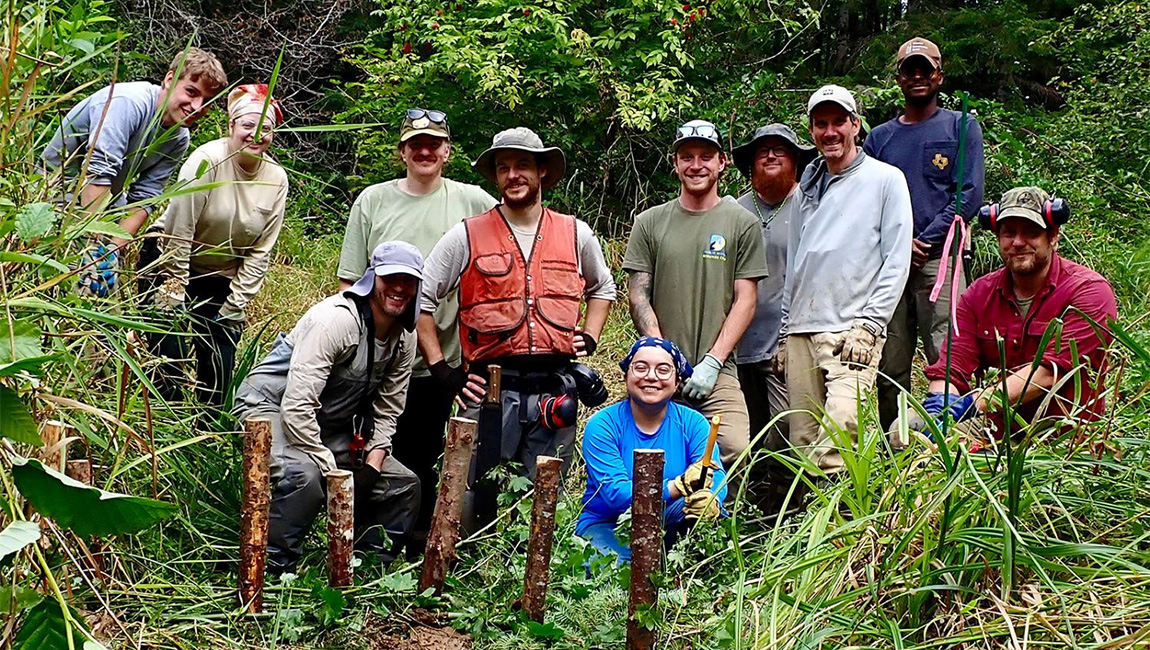 | Wild Fish Conservancy staff alongside our project partners during Beaver Dam Analog installation in the Chehalis Watershed, August 2025. |
| Beaver-Inspired Stream Restoration in the Chehalis Watershed This summer, Wild Fish Conservancy and the Washington Department of Fish and Wildlife (WDFW) have been hard at work in the Chehalis watershed, taking a cue from nature’s original engineers to restore critical habitat for fish and wildlife with Beaver Dam Analogs (BDAs). This simple yet powerful restoration technique uses wood posts and woven vegetation to mimic natural beaver dams, replicating the natural processes that create and sustain vital stream habitats for salmon, amphibians, and waterfowl. Both BDAs and natural beaver dams back up stretches of flowing water, slowing its movement and raising water levels. This temporary pooling allows water to soak into the ground, refilling floodplains and groundwater, while creating diverse habitats that support fish, wildlife, and wetland vegetation. The slowed water also increases stream-channel complexity, traps sediment, and can even help bring beavers back to the landscape, restoring natural ecosystem functions. Last month, WFC biologists and field technicians, guided by project lead Jamie Glasgow and working in collaboration with project partners, constructed 19 BDAs across three new stream reaches on properties owned by WDFW, the Washington Department of Natural Resources, and Port Blakely Tree Farms. This work builds on an ongoing partnership with WDFW scientists, Thurston Conservation District’s restoration crew, and local landowners, expanding BDA construction in the watershed while carefully monitoring their long-term effectiveness. To assess the impact of these structures, WFC staff conducted electrofishing surveys at a subset of BDA sites to evaluate fish species composition, abundance, and distribution. Staff measured and weighed a subsample of captured fish to determine their condition and performed gastric lavages to examine diets, comparing the results to data they collected over several years prior to constructing the BDAs to understand how they influence fish communities. Monitoring will continue this fall with salmon spawning surveys to track adult salmon distribution in BDA reaches. Funding for this work is provided by the Chehalis Basin Strategy’s Aquatic Species Restoration Program and the Washington State Department of Ecology's Streamflow Restoration Program. Wild Fish Conservancy and its partners will continue monitoring a subset of the BDA project reaches for the next several years, providing an objective evaluation of their effectiveness and generating insights to refine this restoration technique through adaptive management. You can learn more about this project on our website and by watching this short video. Curious what kinds of wildlife BDAs support? Trail cam footage captured from additional BDA sites we're monitoring in the headwaters of a Snoqualmie River tributary reveal the remarkable biodiversity they attract. Watch the footage here. If you value science-based approaches to habitat restoration like BDAs, please make a donation today to sustain and expand this critical work. |
| | | Protect Wild Fish—Become a Member Today Behind every Wild Fish Conservancy project and policy win are the people who make it possible—our members. By joining or renewing your support, you fuel science-based policy and safeguard the future of wild fish. Whether you’re a longtime supporter, a past member, or joining for the first time, we invite you to stand with us. Become a member or renew your support today to help shape a sustainable future for wild fish and the ecosystems they depend on. |
| | |
|
| | 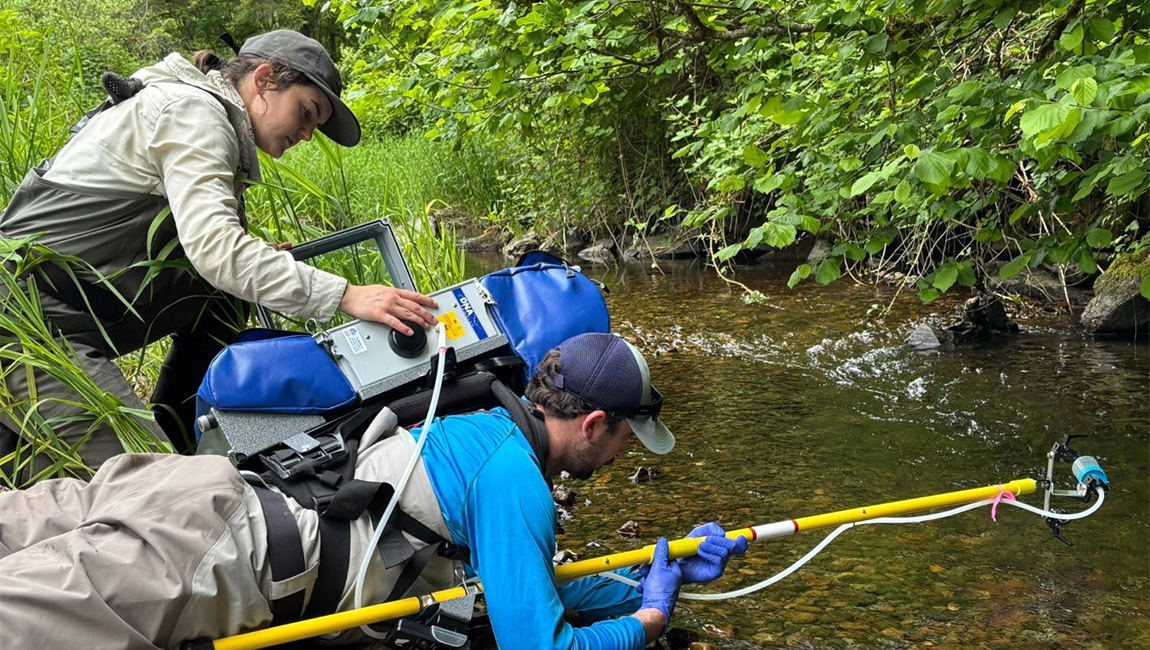 | Wild Fish Conservancy biologist Paige Hosman and our DNR project partner taking eDNA samples in Cherry Creek. |
| Salmonid Monitoring in Cherry Creek with DNR This summer, Wild Fish Conservancy and the Washington Department of Natural Resources (DNR) are working together in Cherry Creek—a vital Snoqualmie Basin tributary for wild fish including coho salmon and steelhead—to protect and restore the natural processes that can increase the productivity potential of salmon habitats, an essential step toward meeting recovery goals for Puget Sound’s struggling salmon and steelhead populations. Together, we are collecting data to better understand the biotic (living) and abiotic (non-living) conditions that influence salmon survival and recovery in habitats managed by DNR. This information will help identify limiting factors to Puget Sound salmon recovery and guide future restoration efforts on the DNR-managed portions of the Cherry Creek watershed. Already, our teams have made exciting progress. This work is being led by WFC biologist Paige Hosman, who earlier last month conducted snorkel surveys to estimate juvenile coho densities across three 100-meter study reaches, deployed temperature loggers to capture hourly stream temperature data, collected environmental DNA (eDNA) to characterize biodiversity by detecting the presence of salmon and other aquatic species, and sampled aquatic insects to assess stream health and biological integrity. Cherry Creek is more than just fish habitat—it’s a treasured cultural site for local Tribal Nations and home to remarkable biodiversity, including bobcat, river otter, beaver, mountain beaver, and black bear. As this area’s recreational popularity grows, it’s critical that the community respects and protects the forest and creek, which sustain extraordinary wildlife and some of our region’s most imperiled fish. With decades of WFC restoration work already underway throughout the lower Cherry Creek Basin, this partnership with DNR's Watershed Resilience Action Plan allows us to build on our ongoing efforts in the basin while protecting a critical habitat that supports both salmon and a rich diversity of wildlife. Wild Fish Conservancy is one of the few conservation organizations that both litigates to hold agencies accountable and partners with them on projects that directly benefit wild fish—demonstrating the respect agencies like DNR have for our technical expertise, built over 35 years in salmon ecology and management. |
| | |
|
| Wild Fish Conservancy News and Updates Learn about Wild Fish Conservancy's recent legal victories, policy advancements, and advocacy efforts—including ways you can take action—plus other important news and information from the organization. |
| | 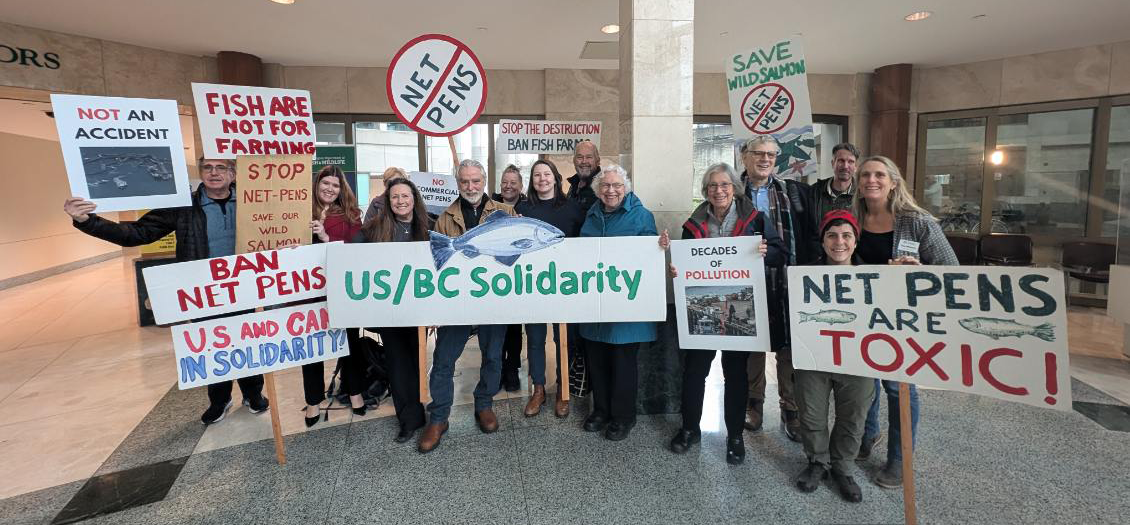 | Celebrating moments after the Washington Board of Natural Resources voted to permanently ban commercial net pen aquaculture in Olympia, WA on January 7, 2025 |
| Our Sound, Our Salmon: Defending Our Historic Victory and Other News! In January, we celebrated a major environmental victory for wild salmon and the health of Puget Sound when we successfully advocated for Washington state to permanently ban commercial net pen aquaculture in all state marine waters. In doing so, Washington became the first place to completely remove and permanently ban this dangerous industry into the future, setting an important model for communities around the world fighting to protect their home waters. We want to thank everyone who took action through the Our Sound, Our Salmon campaign over the last decade to make this incredible achievement possible. Now we're stepping up to defend this once-in-a-generation achievement from the industry's final desperate attempt to return this dangerous and polluting industry to our public waters. Wild Fish Conservancy has formally intervened, alongside our friends at the Center for Food Safety, to help Washington and the Department of Natural Resources defend the new rule against a lawsuit from the Northwest Aquaculture Alliance and Cooke Aquaculture. We want you to rest assured that we will continue to do everything necessary to ensure this industry is never allowed to threaten our public waters ever again. At the same time, we’ve filed a separate lawsuit to protect wild salmon and the Columbia River from chronic and ongoing Clean Water Act violations resulting from Pacific Seafood’s freshwater net pen facilities. Government records show the company has repeatedly exceeded pollution-discharge limits and failed to meet required monitoring and reporting standards since at least April 2020, when its permits were reissued. These unlawful discharges of fish waste, excess feed, chemicals, and other contaminants degrade water quality, harm endangered salmon and steelhead, and threaten the broader river ecosystem. This legal action seeks to hold Pacific Seafood accountable and enforce the environmental safeguards designed to protect the Columbia River and the species and communities that depend on it. WFC is represented in both of these cases by Kampmeier and Knutsen, PLLC, the same law firm that led the successful lawsuit against Cooke Aquaculture holding the company responsible for a $2.75 million Clean Water Act settlement for the catastrophic Cypress Island net-pen collapse that released 260,000 nonnative, viral-infected Atlantic salmon into Puget Sound. Together, these efforts show our unwavering commitment to protecting wild salmon and the waters they depend on from the pollution and harm caused by commercial net pen aquaculture. We'll keep you updated on these two important legal efforts as they move forward. |
| |
|
| | Do You Have a Legal or Policy Concern We often hear from citizens worried that environmental laws aren’t being followed. When that happens, we work with legal teams to evaluate whether action needs to be taken and, if warranted, use the court system to enforce laws like the Clean Water Act, Endangered Species Act, and other laws designed to protect wild fish. You can share your legal or policy concerns with us through our online form. |
| | |
|
| | 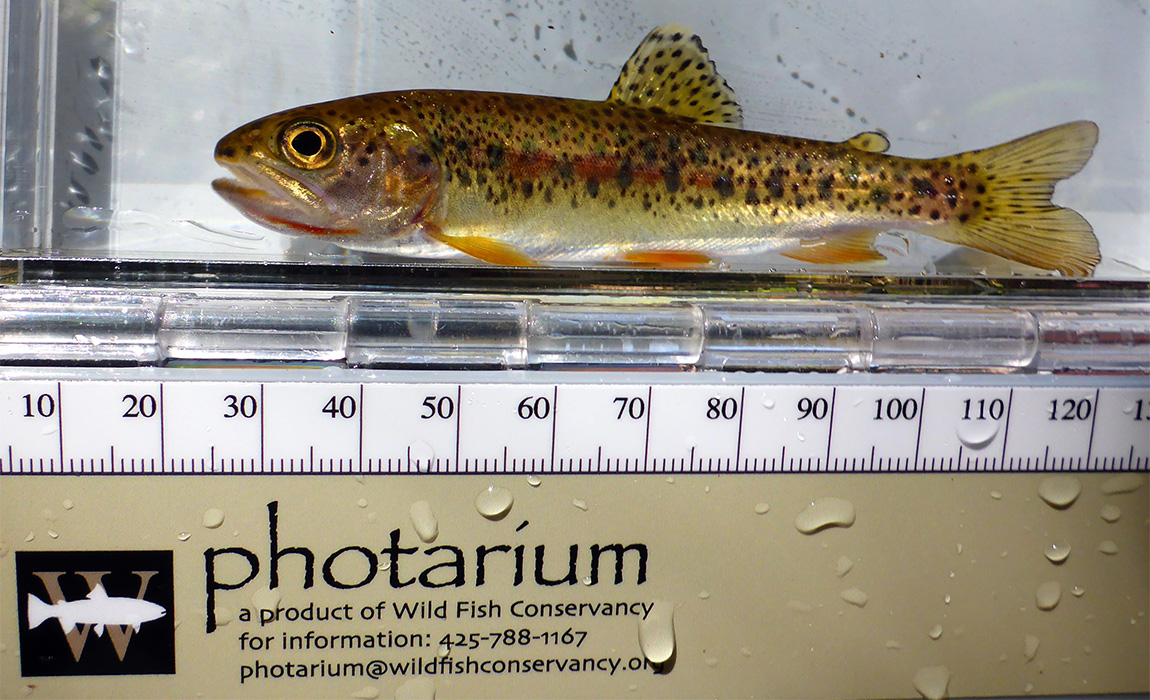 | Cutthroat Trout observed in a Photarium during a WFC research project. |
| We're Taking Action to Protect Washington's Native Resident Trout The Washington Fish and Wildlife Commission is considering a new Resident Native Trout Harvest Management Policy that would guide decisions on recreational fishing for rainbow, redband, and cutthroat trout. Unlike anadromous salmon and steelhead, these resident species have little research or protection, making this decision especially important for their future. The process began with a petition from the Wild Steelhead Coalition, which warned that young resident steelhead are highly vulnerable under current recreational harvest rules. Washington Department of Fish and Wildlife staff instead proposed developing a new high-level harvest policy that, as written, could open the door to unsustainable harvest of all native resident trout species statewide—including in cases where data on population health are nonexistent. Our core concern is clear and non-negotiable: harvest should not be permitted in areas where no data exist to demonstrate the health of native trout populations. You can learn more about where the policy stands and how Wild Fish Conservancy is working to defend resident native trout by reading this news post.
 |
| |
|
| | 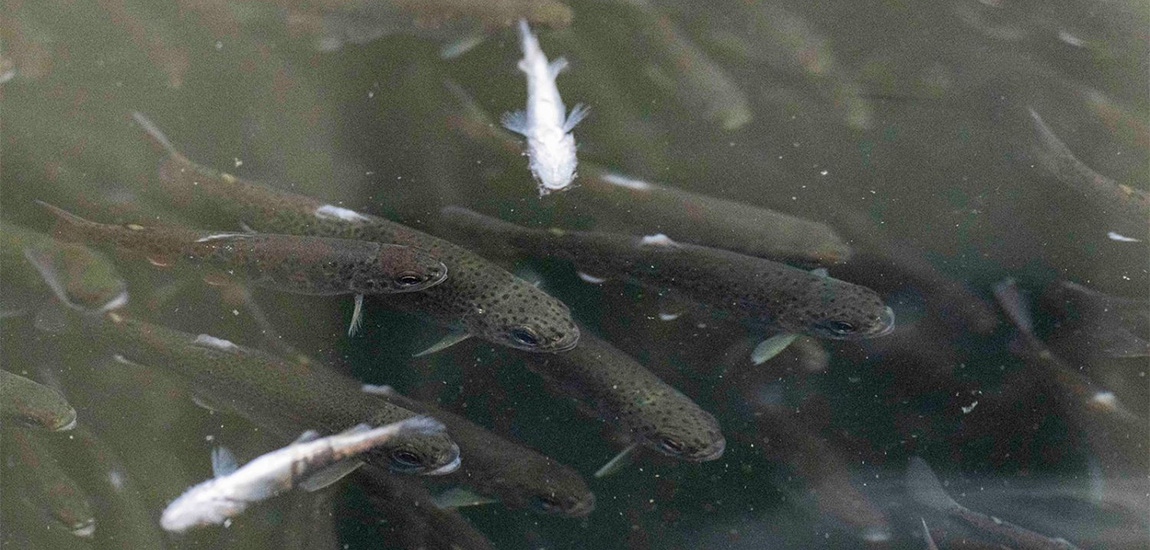 | Juvenile hatchery steelhead often nip each other's fins in the artificial rearing environment, causing infection and disease to spread—new research brings to light the growing concern about the ecological competition that also exists in the ocean after hatchery fish are released. |
| Our Debt to the River: The Scientific Case Against Industrial Salmon Hatcheries In our latest news post, Wild Fish Conservancy biologist Conrad Gowell makes a compelling case against industrial salmon hatcheries, showing how they threaten wild salmon populations and destabilize Pacific Northwest ecosystems. Drawing on insights from the newly published scientific paper Salmon Hatchery and Ecological Overshoot by Benjamin William Van Alen, the post highlights the growing concern of “ecological overshoot”—when hatchery production pushes ecosystems beyond their natural limits, reducing their ability to sustain wild populations. Read the full post on our website—along with other newsworthy updates, including recent press releases and more. |
| | |
|
| Wild Fish Conservancy Welcomes New Communications and Outreach Director 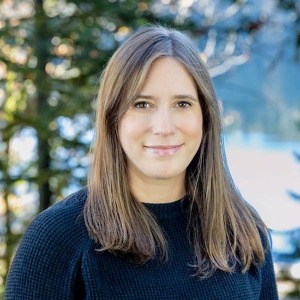 Wild Fish Conservancy is thrilled to welcome Margo Greenman as our new Communications and Outreach Director. Margo brings over a decade of experience in communications, marketing, and outreach, including five years in the nonprofit sector. A lifelong Pacific Northwest resident and longtime supporter of WFC, Margo looks forward to applying her expertise to amplify the critical work WFC is leading to safeguard wild fish and their habitats. With Margo leading our communications and outreach, we’re excited to expand our reach, keep you informed about actions you can take, and make an even greater impact on the Northwest's wild fish and the ecosystems they depend on. Visit our website to learn more about the dedicated staff and board behind WFC, whose decades of combined experience drive our efforts to protect wild fish and the ecosystems they depend on. |
|
|
| | Wild Fish Conservancy
PO Box 402 | Duvall, Washington 98019
425.788.1167 | [email protected] |
| | |
|
| |
|
|