| | |  | | Wild Fish Runs The Wild Fish Conservancy Newsletter
October 2025 |
| We're excited to update you on the incredible work our staff is leading to safeguard the Northwest's wild fish and the ecosystems they depend on. From groundbreaking fieldwork to bold policy and advocacy actions, our October Wild Fish Runs newsletter provides a glimpse into some of our current projects and actions paving the way for progress for wild fish—and the difference your support makes—right now. Thank you for standing with us. |
| | |
|
| Field Notes: Updates on Our Current Projects Discover how Wild Fish Conservancy staff are working in the field to safeguard wild fish and their habitats. Here’s a look at just a few of the projects we’re focused on right now. |
|
|
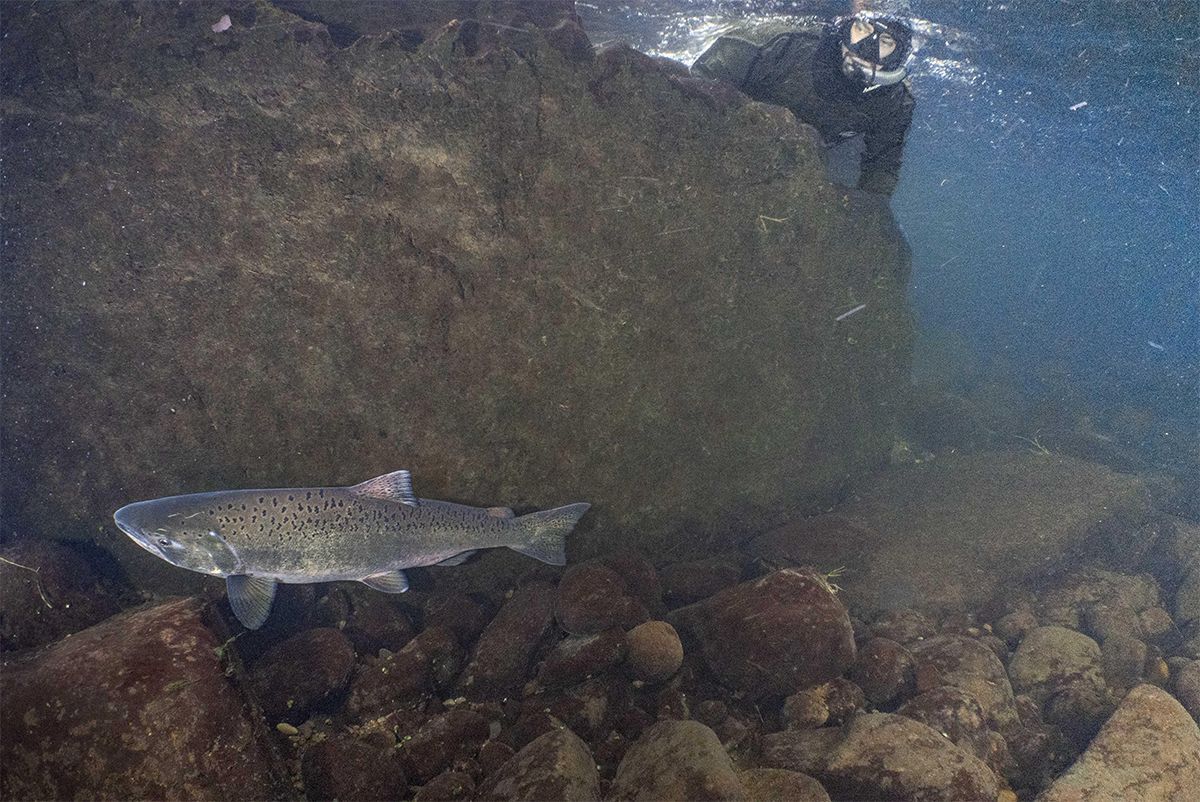
| 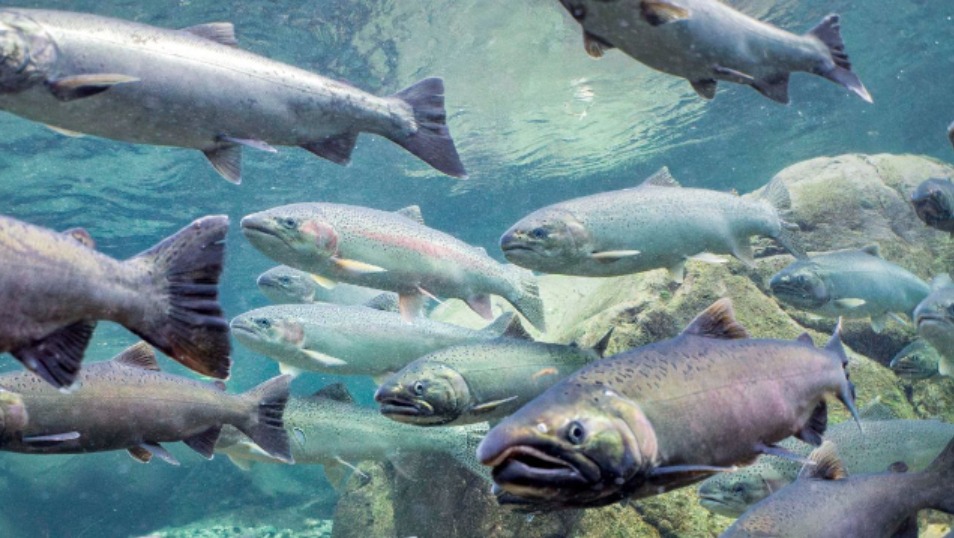 | Coho salmon and summer steelhead during a WFC snorkel survey. Photo by Conrad Gowell. |
| | | | |
|
| 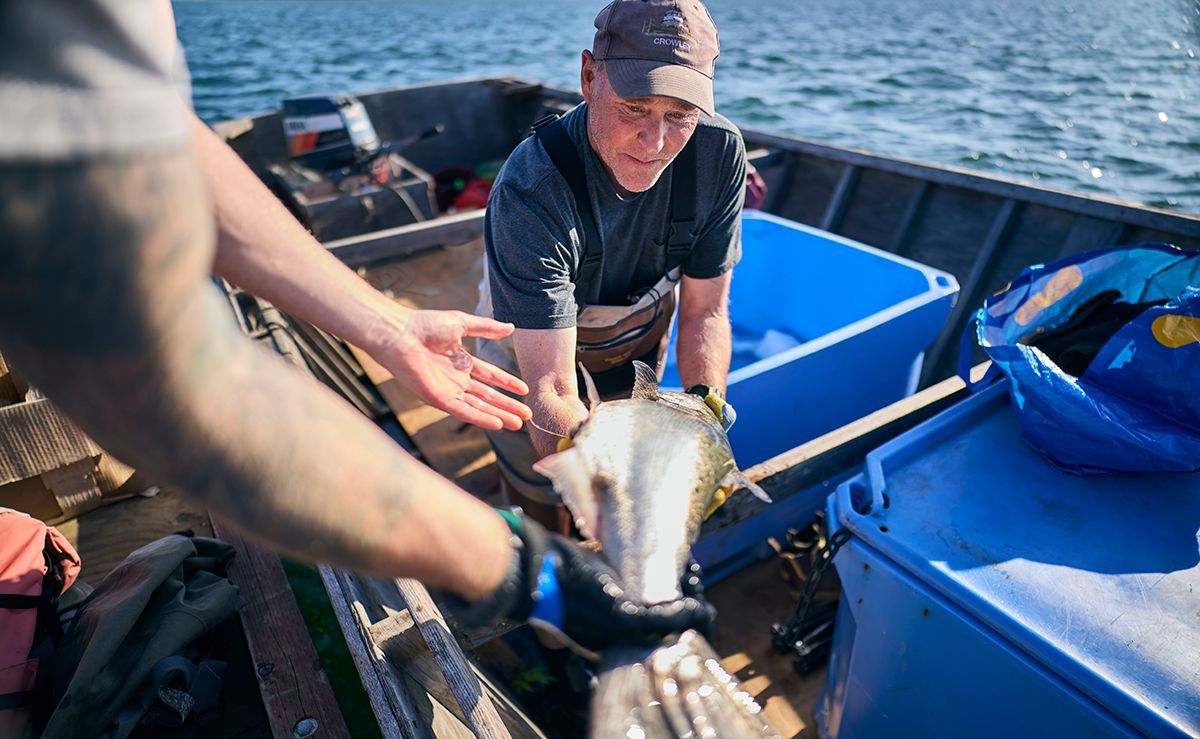 | Commercial fisher Mike Clark at the Hunting Islands fish trap on the lower Columbia River. Photo by Mac Holt. |
| Working Against the Current: A New Experiment Brings Hope for Sustainable Fishing Earlier this year, Wild Fish Conservancy celebrated the launch of Washington’s second commercial fish trap since 1934, as part of the state’s historic Emerging Commercial Fishery—the first of its kind in nearly a century. Located near the Hunting Islands on the lower Columbia River, this innovative trap allows local fishers to selectively harvest hatchery salmon while safely releasing all wild salmon and steelhead, benefitting wild fish recover, fishing families, and coastal communities. The path to this historic first year was long and challenging. Permitting and grant applications began over five years ago in 2020, and WFC navigated numerous political and bureaucratic hurdles—including resistance from conventional fishing interests and government agencies. Despite these obstacles, WFC and its fishing partners persevered and successfully secured all necessary permits, completed construction, and commenced fishing earlier this summer. The Emerging Commercial Fishery on the lower Columbia River provides a compelling model for sustainable fishing, allowing for live-sorting of fish, accurate monitoring of stocks, and safe release of non-target species—all while reducing interbreeding between hatchery and wild salmon. The success of the Hunting Islands fish trap demonstrates a hopeful path forward for wild fish recovery and sustainable fishing. Read the full story on our website—and learn how you can help sustain and support this historic fishery. |
| |
|
| | | Invest in the Future of Sustainable Fisheries For the first time in nearly a century, fish traps returned to the lower Columbia River this summer with Washington State’s first commercial fish trap fishery since 1934. To keep this historic fishery moving forward, build on the momentum that brought us here, and ensure this critical work continues, we’ve launched a campaign to raise $25,000. Your gift today will: sustain and expand this historic fishery, demonstrate a coastwide model for sustainable fishing and wild fish recovery, and safeguard wild salmon and steelhead for generations to come. |
| | |
|
| 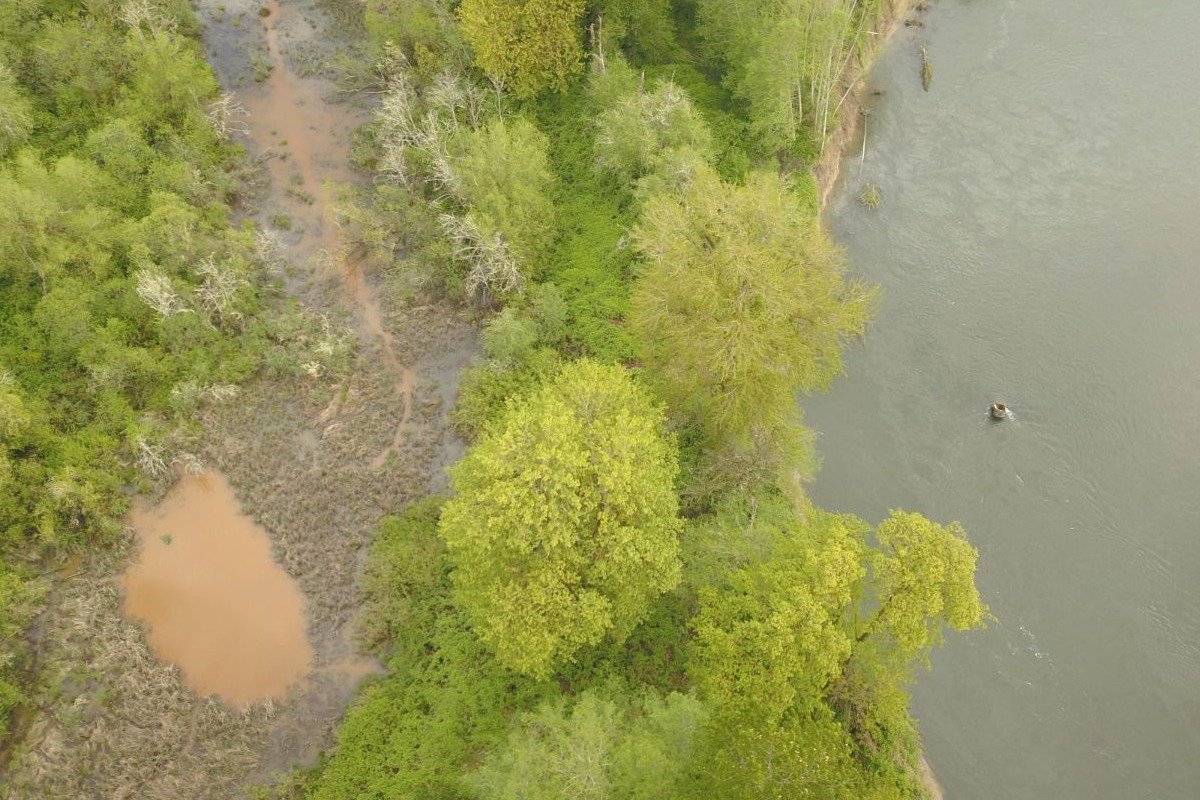 | Aerial view of the Snoqualmie River along the Stillwater Wildlife Area showing active channel migration toward relict oxbow wetlands. The image illustrates ongoing lateral channel movement and floodplain reconnection processes following revetment removal and other restoration actions in the reach. Photo courtesy of Wild Fish Conservancy. |
| Restoring Salmon Habitat in the Snoqualmie River: An Update on the Stillwater Floodplain Project For more than a decade, Wild Fish Conservancy (WFC) has been working to restore important salmon habitat within a critical reach of the Snoqualmie River. The Stillwater Floodplain Restoration project, led by WFC's Director of Conservation, Micah Wait, began in 2013 with the removal of rock revetments across roughly a half-mile of critical salmon spawning and rearing reach. These revetments, originally installed to stop channel migration, confined the river to a narrow channel, limited habitat complexity, and prevented the natural connection between the river and its floodplain. Their removal marked an important step toward restoring natural river processes and recovering habitat for threatened salmon populations. Since WFC removed the revetments, the river has resumed its natural channel migration processes, and the previously hardened bank has begun to erode and shift into the state-owned Snoqualmie Wildlife Area—creating new opportunities for habitat formation and floodplain reconnection. As the river returns to its natural channel migration across the floodplain, it is approaching a large complex of wetlands formed in an old channel of the Snoqualmie. When the river eventually intersects with these historic channels, it is likely to be partially captured, potentially creating a complex multithreaded river channel. We anticipate this transition could occur by 2026 or 2027. Last year, WFC was awarded funding from the Salmon Recovery Funding Board to take the next step in this restoration project: developing engineering designs for the installation of large woody debris (LWD) throughout this reach of the Snoqualmie River. We are currently working closely with the Washington Department of Fish and Wildlife, Snoqualmie Tribe, Tulalip Tribes, King County, Washington Department of Natural Resources, and a consulting team to develop LWD restoration alternatives with the goal of selecting a preferred design for advancement by next winter. By combining natural processes with thoughtfully designed restoration, we can accelerate the recovery of floodplain function and habitat complexity, creating conditions where salmon and other native species can thrive. The Stillwater Floodplain Restoration Project represents just one piece of WFC’s broader commitment to restoring natural watershed processes in the Snoqualmie River and other watersheds throughout our region. We are deeply grateful for the support of our members, partners, and the landowners who make this work possible. Together, we’re helping to bring back the natural resilience of rivers and floodplains, ensuring a healthier future for salmon, ecosystems, and the communities that depend on them. You can learn more about the Stillwater Floodplain Restoration project—and other WFC projects—on our website. |
| |
|
| | Protect Wild Fish—Become a Member Today Behind every Wild Fish Conservancy project and policy win are the people who make it possible—our members. By joining or renewing your support, you fuel science-based policy and safeguard the future of wild fish. Whether you’re a longtime supporter, a past member, or joining for the first time, we invite you to stand with us. Become a member or renew your support today to help shape a sustainable future for wild fish and the ecosystems they depend on. |
| | |
|
| Wild Fish Conservancy News and Updates Learn about Wild Fish Conservancy's recent legal victories, policy advancements, and advocacy efforts—plus other important news and information from our organization. |
|
|
| 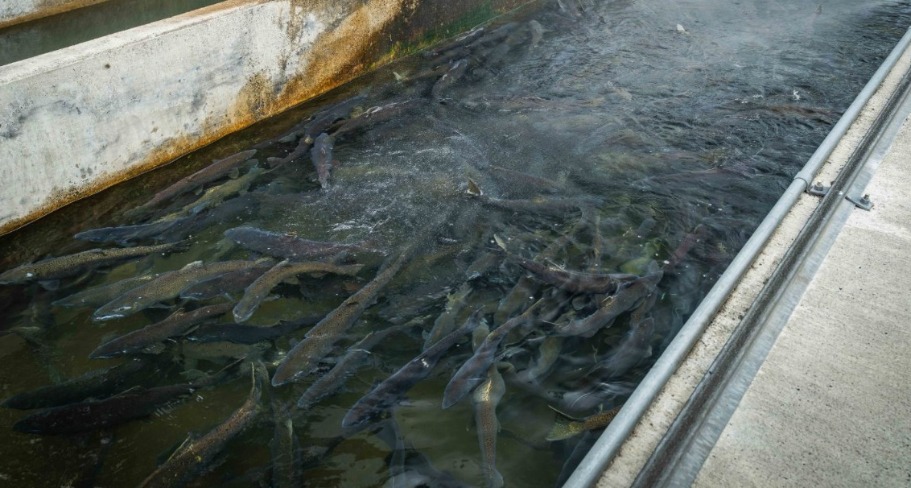 | Kalama Falls Fish Hatchery (Kalama, WA). Photo courtesy of Wild Fish Conservancy. |
| Conservation Advocates Take Legal Action to Protect Wild Salmon, Steelhead, and Orcas from Harmful Columbia River Hatcheries Last month, Wild Fish Conservancy and our partners at The Conservation Angler announced our intent to sue the federal government for failing to protect threatened wild salmon, steelhead, and endangered Southern Resident killer whales from harmful Columbia River hatchery programs. For decades, National Oceanic and Atmospheric Administration (NOAA) Fisheries has acknowledged that hatcheries pose serious risks to wild salmon recovery. Yet the agency continues to authorize and fund hatcheries under the Mitchell Act using a deeply flawed 2024 Biological Opinion that ignores best available science and violates the Endangered Species Act (ESA)—while also failing to enforce its own rules and regulations. We know that these hatcheries cause preventable harm to ESA-listed fish and their habitats through genetic and ecological impacts, harvest pressures, and facility operations, further endangering these imperiled species and the ecosystems we all rely on. It is because of these harms—and NOAA Fisheries’ failure to address them—that we are compelled to act. Our intent to sue is not a decision we take lightly. It is a necessary step that builds on our long history of legal advocacy to safeguard the Columbia River’s wild fish and to hold the federal government accountable, ensuring that wild salmon, steelhead, and orcas receive the protections they are legally entitled to and require in order to recover and thrive for generations to come. You can read our full press release on our website. |
| | |
|
| Do You Have a Legal or Policy Concern We often hear from citizens worried that environmental laws aren’t being followed. When that happens, we work with legal teams to evaluate whether action needs to be taken and, if warranted, use the court system to enforce laws like the Clean Water Act, Endangered Species Act, and other laws designed to protect wild fish. You can share your legal or policy concerns with us through our online form. |
| | |
|
| 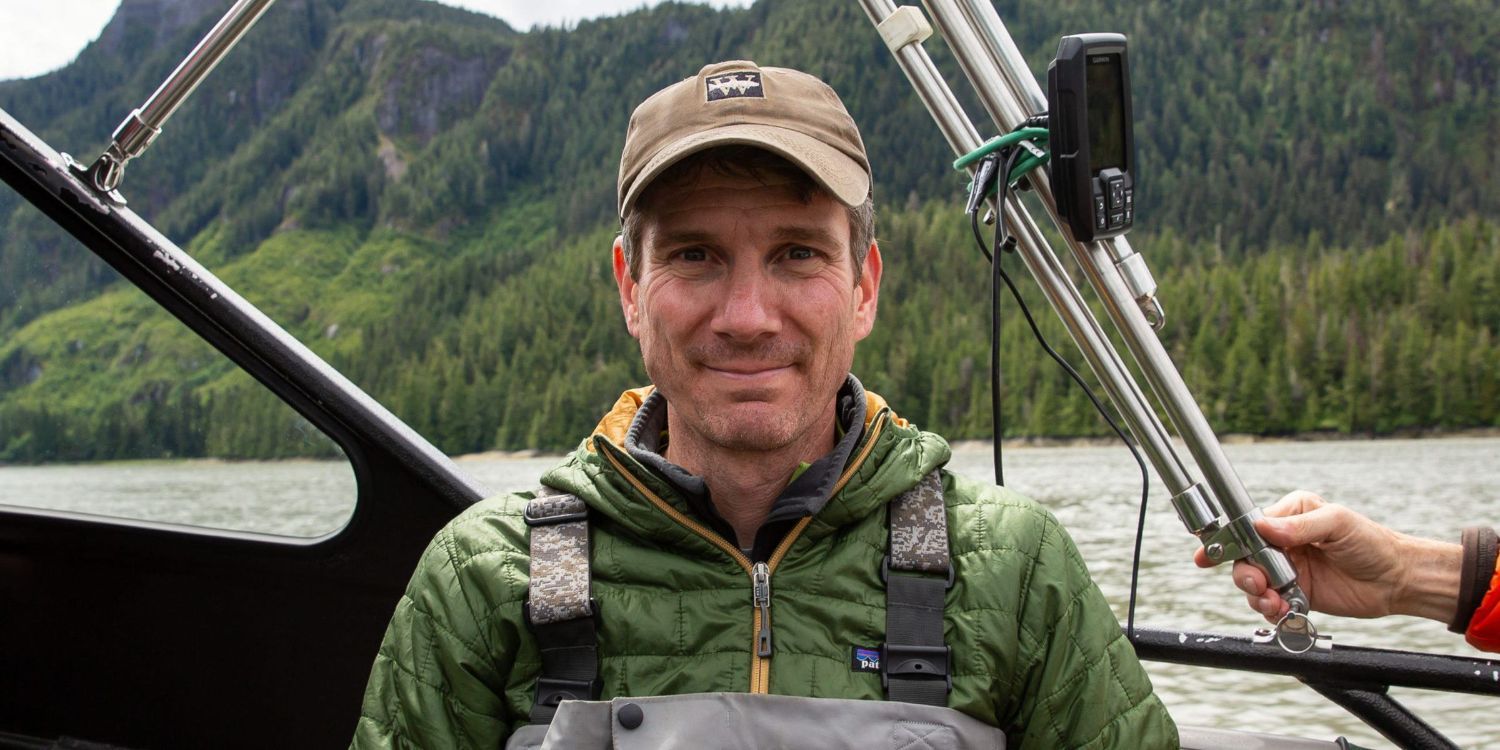 | Wild Fish Conservancy's Director of Science and Research, Jamie Glasgow. Photo courtesy of Wild Fish Conservancy. |
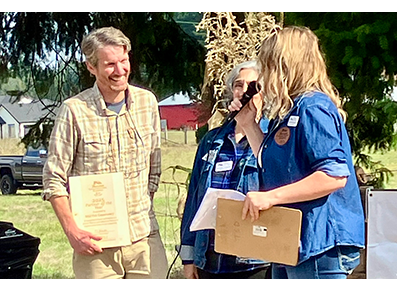
| Wild Fish Conservancy’s Jamie Glasgow Named Thurston Conservation District's 2025 Community Partner of the Year |
|
|
| | In her nomination letter, District Engineer, Katrinka Hibler, wrote: |
| "Jamie heads up the Wild Fish Conservancy, which has the mission to preserve, protect, and restore wild fish in the Western US. They have stepped up to provide science-based support for a number of our restoration projects. Jamie has dedicated a significant amount of unpaid time to the grant application process for our data collection projects on several tributaries to the Chehalis River that may provide water refugia to returning salmon.” |
|
|
| We’re grateful for Jamie’s leadership and his ongoing collaboration with Thurston Conservation District—partnerships like this make it possible to advance meaningful, science-based conservation throughout our region. Congratulations, Jamie, on this well-deserved honor! |
| | | | |
|
| | Wild Fish Conservancy
PO Box 402 | Duvall, Washington 98019
425.788.1167 | [email protected] |
| | |
|
| |
|
|