| | |  | | Wild Fish Runs The Wild Fish Conservancy Newsletter
June 2026 |
| This month's Wild Fish Runs newsletter shares exciting updates on our habitat restoration efforts across the region—and a look at our work beyond the field. In this edition, learn about the innovative restoration work we're doing in the Snohomish and Snoqualmie River Basins; explore a newly published study examining how ocean fishing practices are shrinking the size and future returns of Chinook salmon; discover the implications of recently revised Pacific Salmon Commission data and what it means for Puget Sound Chinook; and find out how you can show your support for our salmon, Southern Resident killer whales, and coastal communities with NEW Let Our Salmon Come Home gear. As we celebrate the start of summer, we hope your days are full of time well spent outdoors—and we thank you, as always, for standing with wild fish. |
| | |
|
| Field Notes: Updates on Our Current Projects Discover how Wild Fish Conservancy staff are working in the field to safeguard wild fish and their habitats. Here’s a look at just some of the projects we’re focused on right now. |
|
|
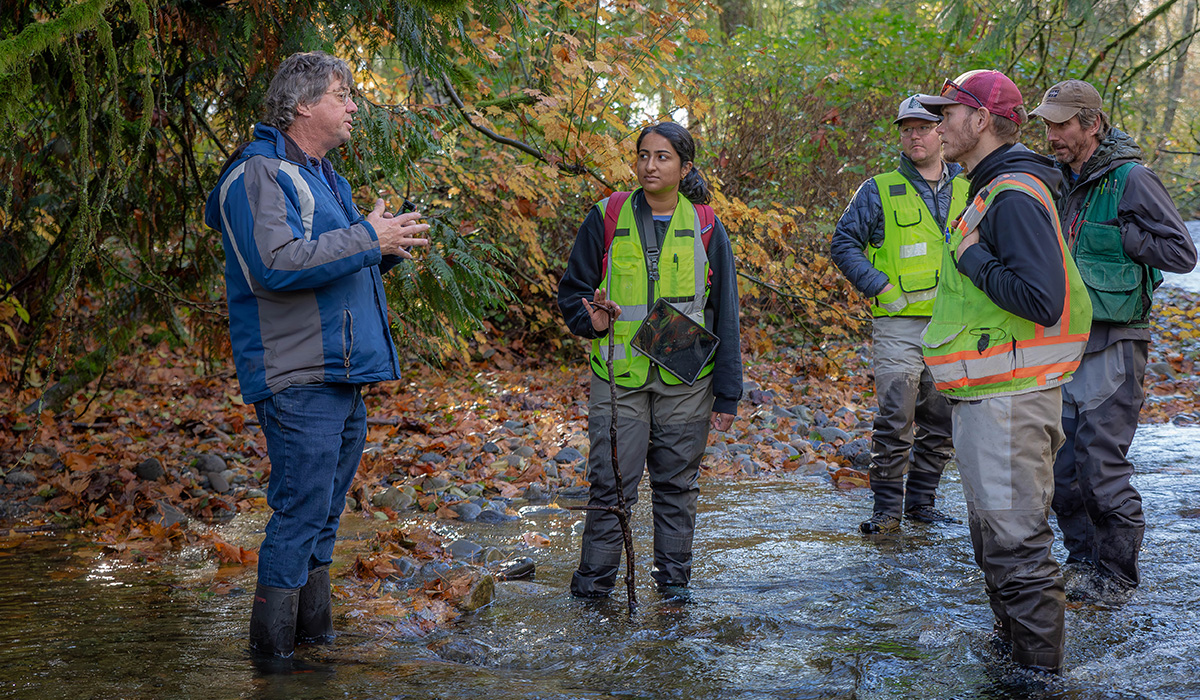
| | The son of a dedicated landowner shares his experience and observations with the Grant Creek project team. |
| At the Confluence: A New Vision for Grant Creek For the past five years, Wild Fish Conservancy and partners at Natural Systems Design have worked alongside a dedicated landowner at the confluence of Grant Creek and the North Fork Stillaguamish River to design a habitat restoration project for struggling populations of Chinook, steelhead, and other wild fish. Confluences like this one are often described as biological hotspots, where the complex interplay of water, sediment, food, and fish makes habitat especially valuable—and where restoration can ripple outward to benefit an entire watershed. The project will add five log jams to increase instream complexity, remove invasive plants, and revegetate nearly two acres of riparian habitat. The log jams are designed to replace the large wood that would have occurred naturally in this reach before legacy forest practices stripped it away, restoring a process taken from the river long ago. Because of its position at the confluence of two rivers, the benefits will extend beyond Grant Creek itself, as fish from other North Fork Stillaguamish tributaries will likely use the project reach for winter refuge and cool summer water. As climate change continues to diminish summer flows across the Stillaguamish Basin, the surface connection between Grant Creek and the Stillaguamish has weakened. The project design addresses this through an innovative approach: burying four large logs beneath the streambed to push subsurface flows back to the surface. If selected for funding this summer, construction will take place in 2027, complementing a Wild Fish Conservancy restoration project completed immediately upstream in 2021. If you support nature-based solutions like this one, become a Wild Fish Conservancy member today. Your support helps bring projects like Grant Creek to life. |
| 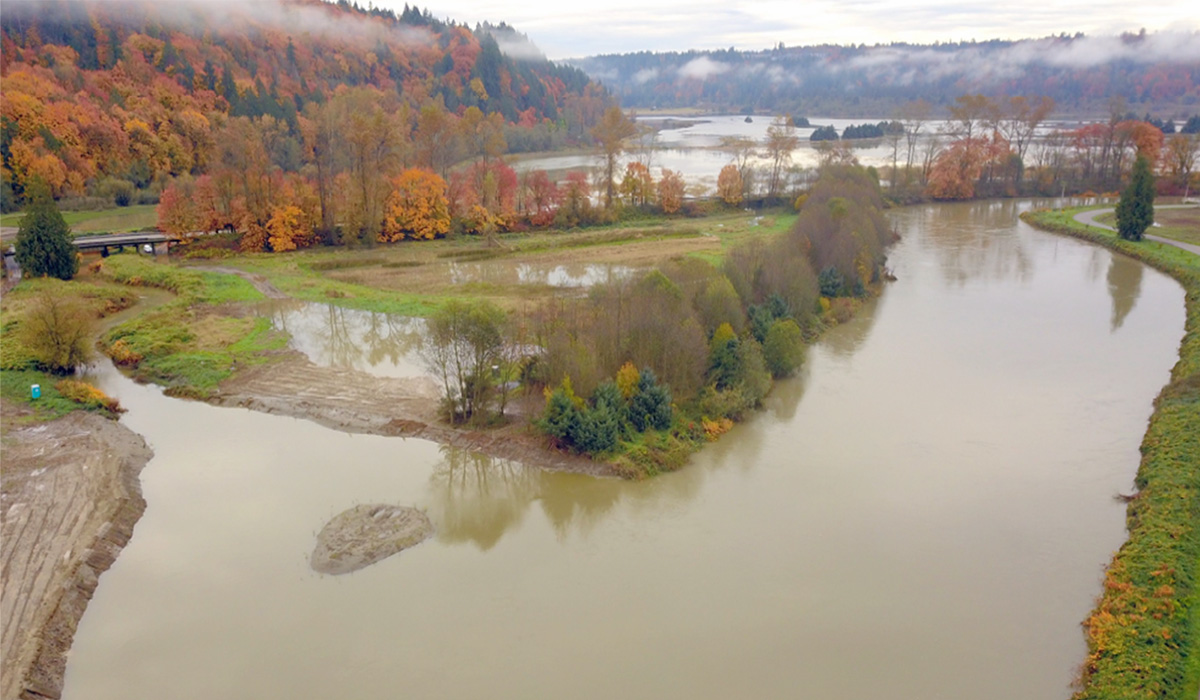 | View of the mouth of Cherry Creek following completion of Phase 1 of the project in 2019. |
| Lower Cherry Creek Restoration Moves Toward Construction After several years of planning, design, and permitting, the next phase of the Lower Cherry Creek restoration project has reached a major milestone. Project permits are secured, and construction contractor bids are now out for solicitation, with a goal of construction beginning this summer. As the downstream-most major tributary in the Snoqualmie River, Cherry Creek plays an outsized role in supporting Endangered Species Act-listed Chinook salmon. Its extensive floodplain provides valuable rearing habitat where juvenile salmon can find food, refuge from high flows, and opportunities to grow before migrating downstream. These floodplain habitats are used not only by fish originating in Cherry Creek, but also by juvenile salmon moving downstream from throughout the Snoqualmie watershed. The project will restore natural floodplain processes and improve habitat complexity by reconnecting portions of the floodplain and adding large wood to the channel. Along a section of the creek currently bordered by a steep, unvegetated bank, the project will create new riparian wetlands and floodplain habitat. Over time, these areas will support native vegetation, increase insect production, and contribute food resources to the aquatic food web. The resulting habitat will provide juvenile salmon with productive feeding areas, refuge from predators and high flows, and the opportunity to grow before continuing their migration to Puget Sound. This effort is the result of a partnership between a local farming family, the Washington Department of Fish and Wildlife, and Wild Fish Conservancy. Together, we are working to create a healthier, more resilient floodplain that benefits salmon while supporting the long-term stewardship of this important landscape. |
| | Protect Wild Fish—Become a Member Today Behind every Wild Fish Conservancy project and policy win are the people who make it possible—our members. By joining or renewing your support, you fuel science-based policy and safeguard the future of wild fish.
Whether you’re a longtime supporter, a past member, or joining for the first time, we invite you to stand with us. Become a member or renew your support today to help shape a sustainable future for wild fish and the ecosystems they depend on. |
| | |
|
| Wild Fish Conservancy News and Updates Learn about Wild Fish Conservancy's recent legal victories, policy advancements, and advocacy efforts—plus other important news and information from our organization. |
|
|
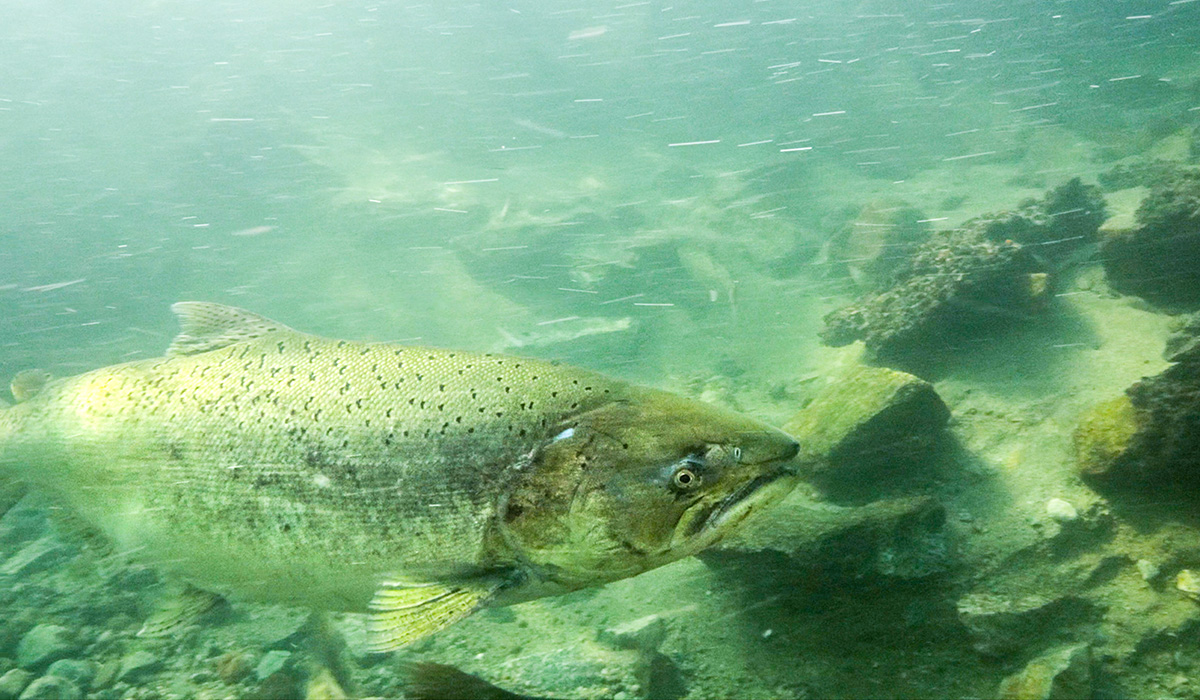
| 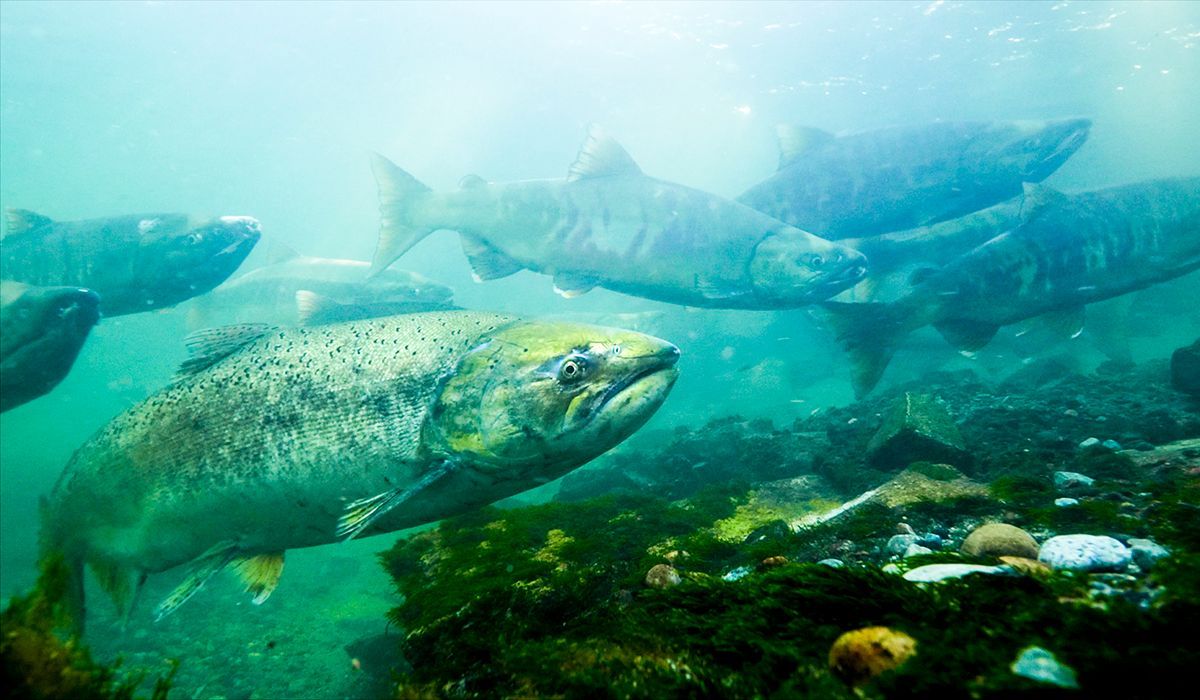 | Chinook salmon in foreground, chum salmon in the background. Photo by Tavish Campbell. |
|
|
|
|
| New Study: Harvesting Immature Chinook Is Shrinking Salmon and Reducing Future Returns |
| This month, the journal Scientific Reports published a new study authored by Wild Fish Conservancy and Raincoast Conservation Foundation researchers, revealing that harvest of Chinook salmon before they're fully grown may be driving troubling declines in the size, age, and life-history diversity of Chinook populations coastwide. The study found that mixed-maturation fisheries—which indiscriminately catch immature and mature Chinook together in ocean waters—compromise the productivity and resilience of these populations. Alternatively, fisheries located near spawning rivers that target mature adults can produce greater total harvest weight while catching fewer fish, while protecting population size, age, and life history diversity. We're proud to congratulate Wild Fish Conservancy staff and study authors Dr. Nick Gayeski and Devin Swanson, as well as Wild Fish Conservancy board member and Raincoast researcher Misty MacDuffee and co-author Andy Rosenberger, on this years-long achievement—along with the many staff and collaborators who contributed to this effort. To learn more about the complete findings, read the full backgrounder on our website. |
| | 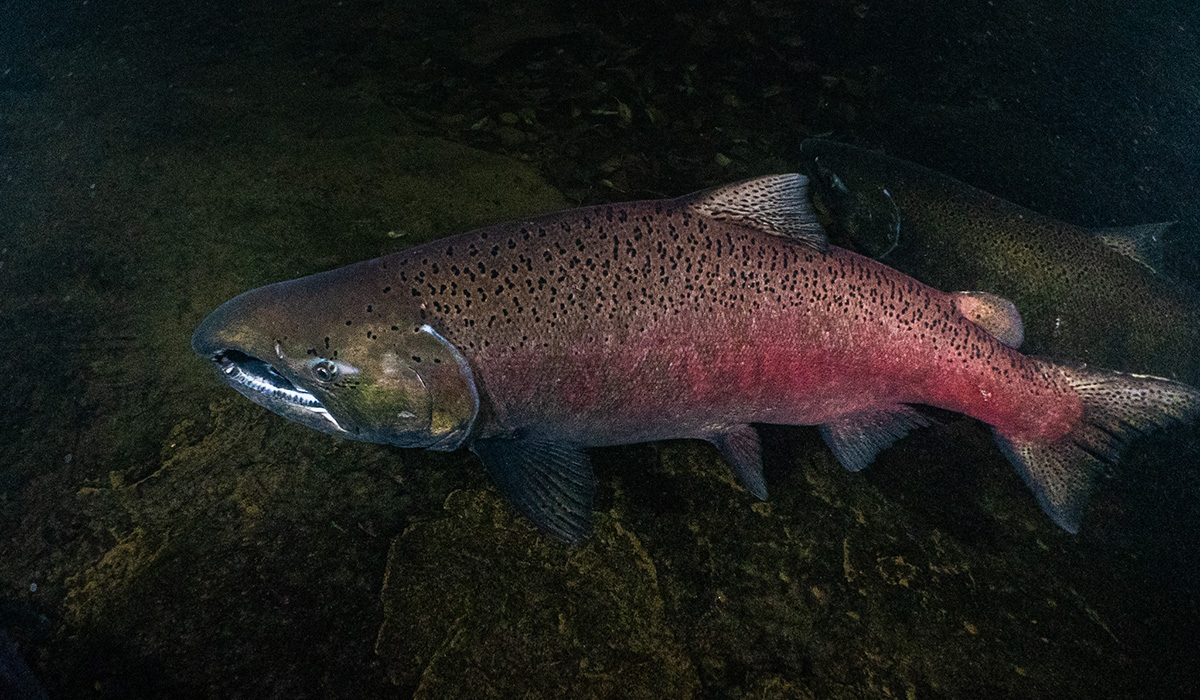 | Chinook salmon. Photo by Conrad Gowell. |
| New Findings Reveal Ocean Harvest of Puget Sound Chinook Were Severely Underestimated for Decades In a press release published earlier this month by Wild Fish Conservancy, we shared shocking findings that carry significant implications for Puget Sound Chinook salmon recovery, Southern Resident killer whales, and the fishing communities that depend on them. Newly revised data released by Canada at the Pacific Salmon Commission show that for more than two decades, ocean fisheries killed thousands more Endangered Species Act-listed Puget Sound Chinook each year than previously understood. The revised data show far higher harvest mortality in British Columbia’s ocean recreational fisheries than earlier accounting methods reflected. The findings come at a consequential moment, as the United States and Canada prepare to renegotiate the Pacific Salmon Treaty—a harvest agreement that will set the rules for ocean salmon fishing coastwide and internationally for the next decade or more. This is the time to act—visit the Let Our Salmon Come Home website to add your voice to the coastwide call to reform unsustainable ocean fisheries and help bring our salmon home. The revised data and their implications are detailed in our full press release—read it now on our website. |
| | | Do You Have a Legal or Policy Concern? We often hear from citizens worried that environmental laws aren’t being followed. When that happens, we work with legal teams to evaluate whether action needs to be taken and, if warranted, use the court system to enforce laws like the Clean Water Act, Endangered Species Act, and other laws designed to protect wild fish. You can share your legal or policy concerns with us through our online form. |
| |
|
| | 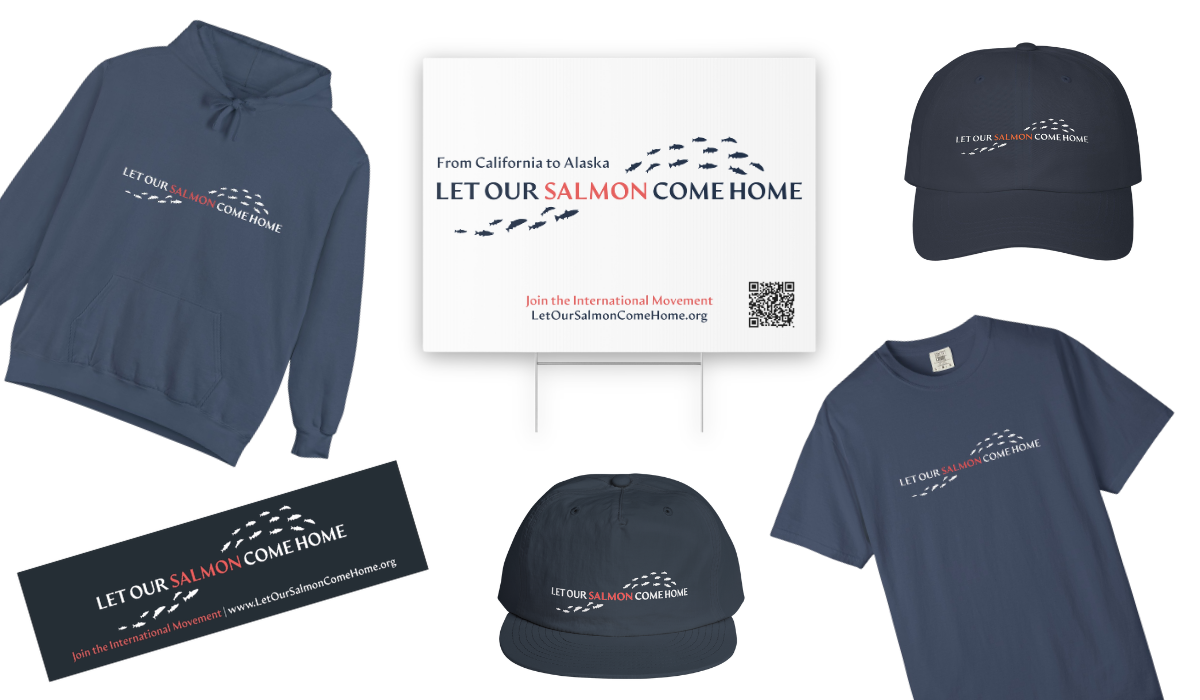 | Show Your Support for Salmon with NEW Let Our Salmon Come Home Gear The Let Our Salmon Come Home movement is growing—and now you can show your support with NEW Let Our Salmon Come Home gear. The Let Our Salmon Come Home store is now live, featuring hoodies, t-shirts, hats, yard signs, and bumper stickers designed to help you carry the message wherever you go. From California to Alaska, the movement is building momentum, and every piece of gear helps amplify the coastwide call to bring our salmon home. Proceeds from your purchase go directly toward the outreach, advocacy, and organizing that keep this movement strong. |
| | |
|
| | Featured image by Tavish Campbell.
Wild Fish Conservancy
PO Box 402 | Duvall, Washington 98019
425.788.1167 | [email protected] |
| | |
|
| |
|
|