| | |  | | Wild Fish Runs The Wild Fish Conservancy Newsletter
July 2026 |
| | | |
|
| Field Notes: Updates on Our Current Projects Discover how Wild Fish Conservancy staff are working in the field to safeguard wild fish and their habitats. Here’s a look at just some of the projects we’re focused on right now. |
|
|
| | | Watershed Assessments Guide Habitat Protection and Restoration on the Kitsap Peninsula This spring, Wild Fish Conservancy was hired by Kitsap County to conduct watershed assessments of two priority west Puget Sound watersheds on the Kitsap Peninsula, located just west of Seattle, Washington: Burley Creek and Olalla Creek. The assessments will help guide habitat protection and restoration actions throughout the region—complementing other assessments available on the West Sound Partners for Ecosystem Recovery website. Building on its watershed-wide water typing surveys completed in 2020, Wild Fish Conservancy will consolidate decades of existing data from Kitsap County, the Suquamish Tribe, and state agencies into a comprehensive geographic information system (GIS) platform, then add new field data on water temperatures, fish passage barriers, fish species distribution, and stormwater runoff. That combined dataset will be analyzed using TerrainWorks' NetMap, an innovative modeling tool that enables sophisticated watershed-scale analyses—helping drive informed habitat protection and restoration strategies that improve conditions for wild fish. The final report and supporting GIS, expected in fall 2027, will give habitat practitioners a science-based platform to identify and prioritize restoration projects in the Burley and Olalla watersheds—helping ensure that every investment made on habitat protection and restoration in these watersheds goes where it will do the most good for wild fish. |
| | Protect Wild Fish—Become a Member Today Behind every Wild Fish Conservancy project and policy win are the people who make it possible—our members. By joining or renewing your support, you fuel science-based policy and safeguard the future of wild fish.
Whether you’re a longtime supporter, a past member, or joining for the first time, we invite you to stand with us. Become a member or renew your support today to help shape a sustainable future for wild fish and the ecosystems they depend on. |
| | |
|
| Wild Fish Conservancy News and Updates Learn about Wild Fish Conservancy's recent legal victories, policy advancements, and advocacy efforts—plus other important news and information from our organization. |
| 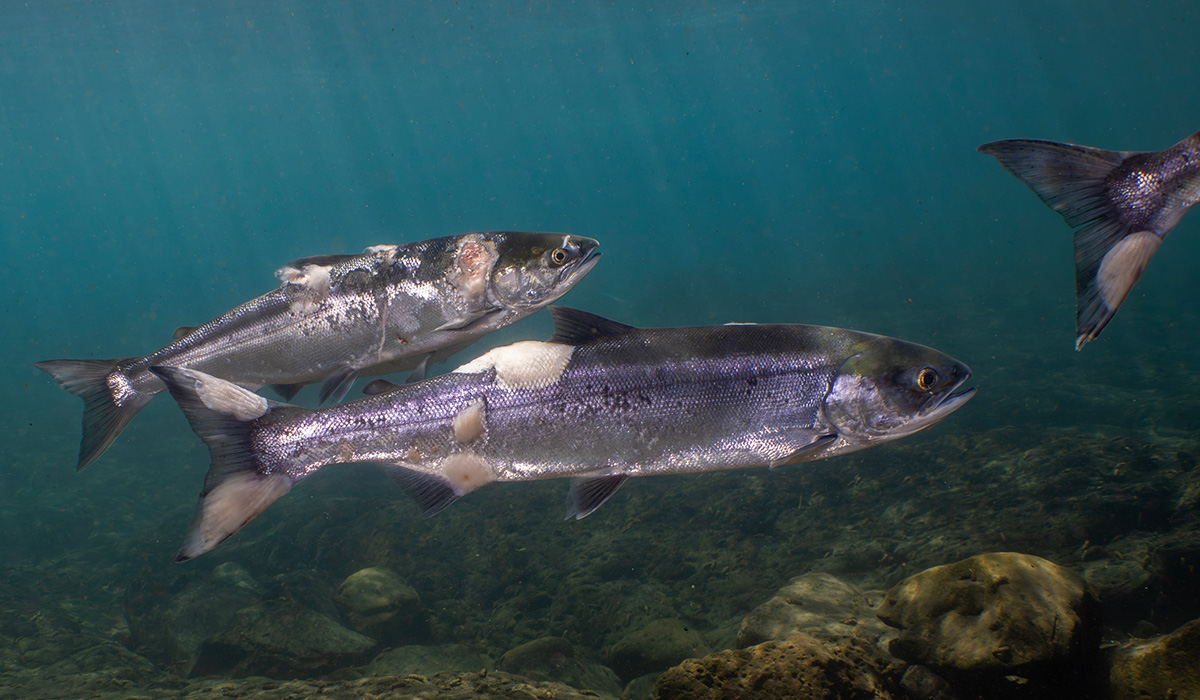 | Sockeye salmon with open sores caused by warm water. Photo by Conrad Gowell. |
| Rising Temperatures Are Taking a Toll on Columbia Basin Sockeye—but Advocates Are Fighting for Cold Water The Columbia Gorge will hit the low 90s this month. Right now, the river measures about 67°F—one degree below the threshold at which salmon start to die. When the river hit 71°F in 2021, Wild Fish Conservancy's Conrad Gowell took the above photograph. The white patches of fungus and open sores are what heat does to a sockeye when the water climbs above 68°F. When water temperatures rise, fish pay the price. This year, Washington canceled the upper Columbia sockeye season after one of the worst returns on record, and endangered Snake River sockeye came back in the low hundreds. While rising water temperatures are a threat to our salmon, it's a problem that can be fixed. Visit our website to learn about the advocacy work conservation partners like Columbia Riverkeeper are doing to protect endangered sockeye—and how the fight for cold water is beginning to show results. |
| | | Support the Work that Protects Wild Fish For more than 30 years, Wild Fish Conservancy has worked to take on the toughest challenges facing wild fish and the ecosystems they depend on. The stories in this newsletter reflect just a fraction of that work—and none of it would be possible without the generosity of supporters like you. If you'd like to help sustain and grow this work, please consider making a gift today. |
|
|
| | | 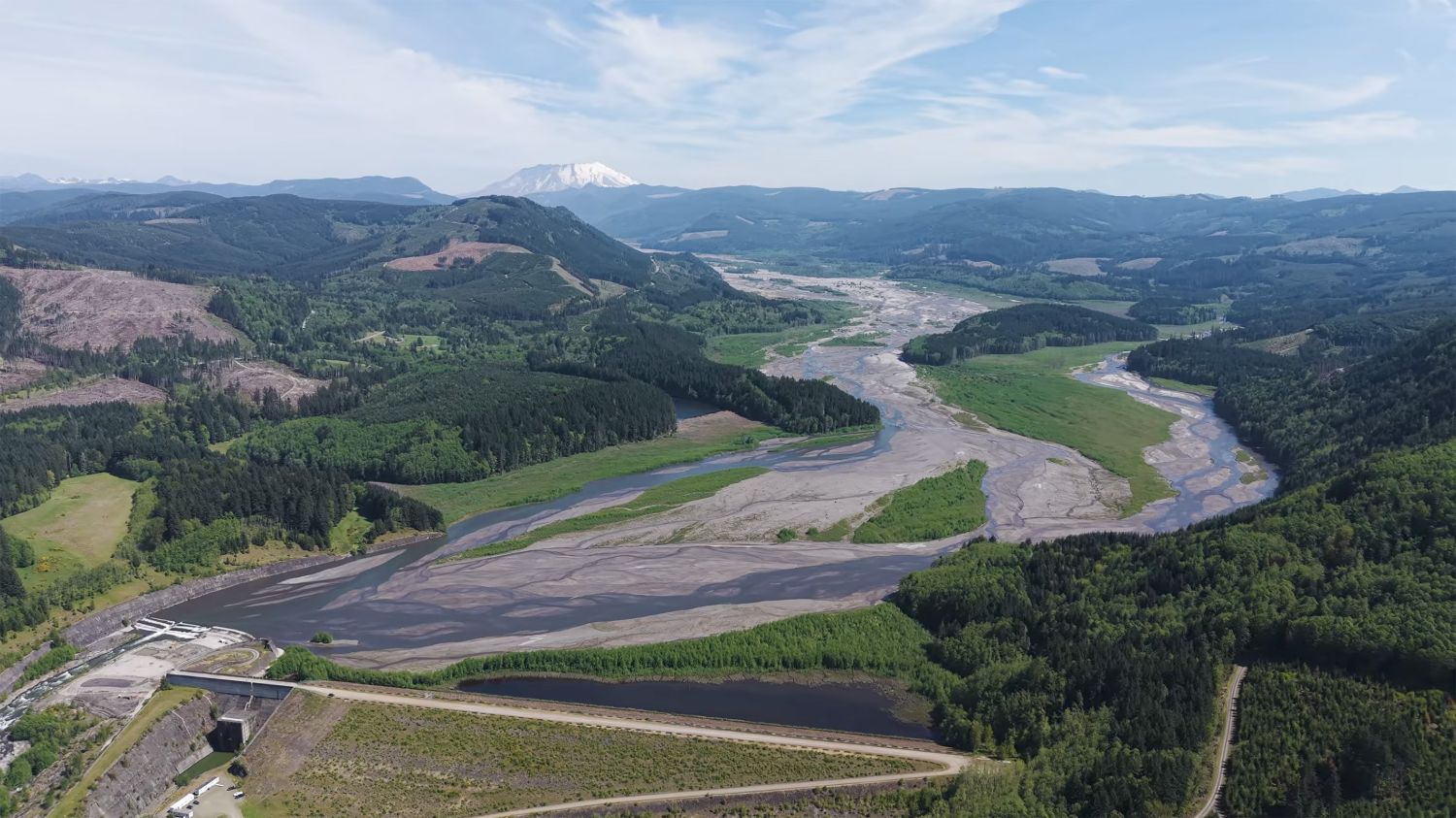 | Mount St. Helens in the backdrop of the Sediment Retention Structure on the North Fork Toutle River. Photo by Andy Zahn. |
|
|
|
|
| Wild Fish Conservancy Challenges Project on the North Fork Toutle River | This month, Wild Fish Conservancy and local conservationist Mark Smith sued the National Marine Fisheries Service and the U.S. Army Corps of Engineers to protect wild salmon and steelhead from a project to raise the Mount St. Helens Sediment Retention Structure on the North Fork Toutle River. The large earthen dam—which was built in 1989 to trap sediment runoff from the eruption of Mount St. Helens—already blocks wild fish from up to 50 miles of their historic habitat, and the Corps is now pushing a costly expansion that puts Endangered Species Act-listed Chinook salmon, coho salmon, and steelhead at even greater risk. Our lawsuit alleges that the National Marine Fisheries Service's 2022 Biological Opinion—the federal analysis required to evaluate whether the project would jeopardize protected fish—is deeply flawed and violates the Endangered Species Act. "Federal agencies cannot continue to engineer our rivers into extinction while ignoring the law and the best available science," said Emma Helverson, Executive Director of Wild Fish Conservancy. "We are taking this action to ensure our wild salmon and steelhead are not pushed past the point of no return." Read the full press release on our website. |
| | 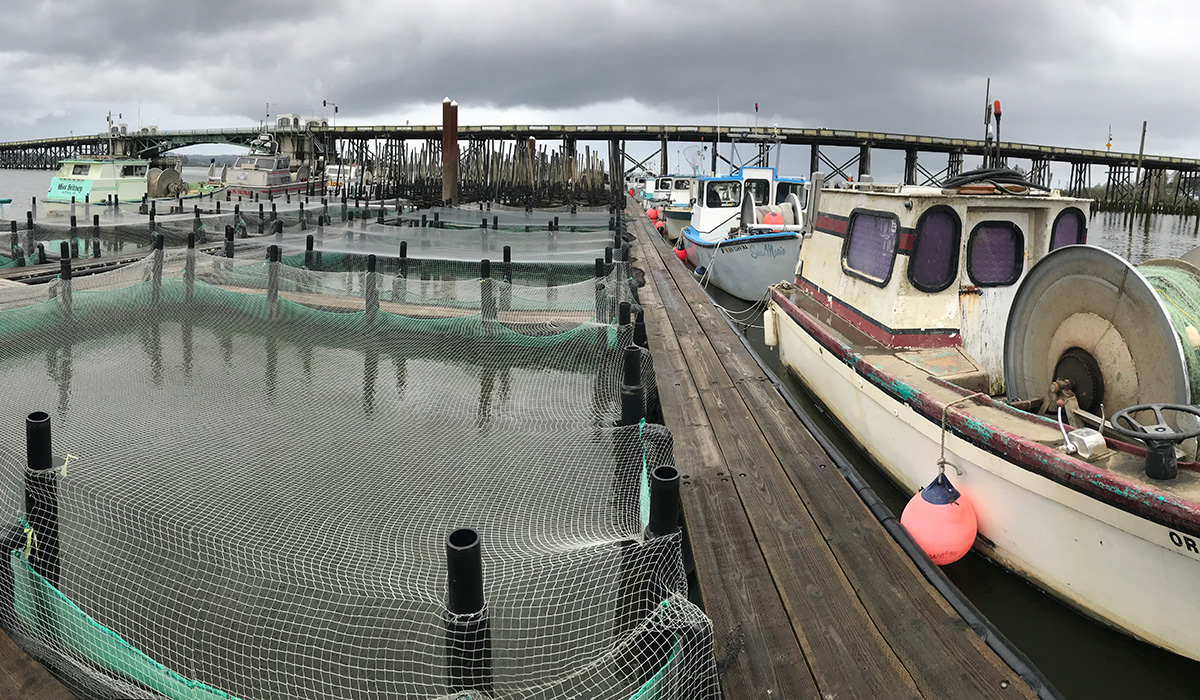 | SAFE program net pens. Photo by David Moskowitz. |
| A Step Toward Recovery: Bonneville Power Administration Ends Funding for the SAFE Hatchery Program The Bonneville Power Administration is ending funding for the Select Area Fisheries Enhancement (SAFE) hatchery program below Bonneville Dam—a program that releases more than seven million hatchery Chinook and coho into the Columbia River each year purely to harvest. Hatchery programs like SAFE can create a false sense of abundance: when hatchery fish flood mixed-stock ocean fisheries, harvest rates set to those inflated numbers significantly impact co-migrating wild fish that can't sustain the pressure—including Endangered Species Act (ESA)-listed populations from rivers across the Pacific Coast. Additionally, hatchery fish that spawn with wild fish are known to reduce the fitness of wild populations; and hatchery fish often compete with wild fish for limited food and habitat. By the Bonneville Power Administration's own assessment, the program hasn't shown a benefit for weak or ESA-listed stocks and exists only to augment harvest while failing to rebuild fish abundance above Bonneville Dam. Under the Northwest Power Act, the $1.6 million that ratepayers spend each year to support the program is meant to mitigate harm to fish and wildlife—not to subsidize fisheries. Wild Fish Conservancy welcomes this decision as a long-overdue shift away from hatchery-dependent harvest and toward the habitat restoration, fish passage, and harvest reform that wild salmon, steelhead, and Southern Resident killer whales need to recover. Visit our website to read the full press release. |
| |
|
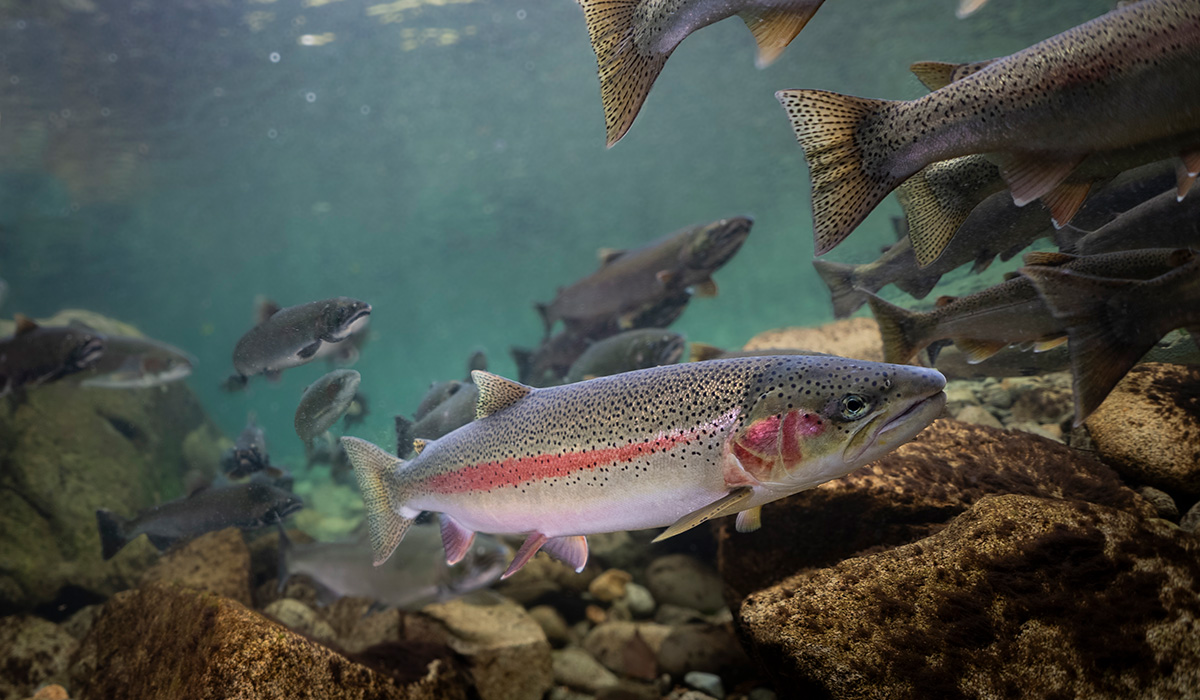
| | | | Featured steelhead image by Conrad Gowell
Wild Fish Conservancy
PO Box 402 | Duvall, Washington 98019
425.788.1167 | [email protected] |
| | |
|
| |
|
|